
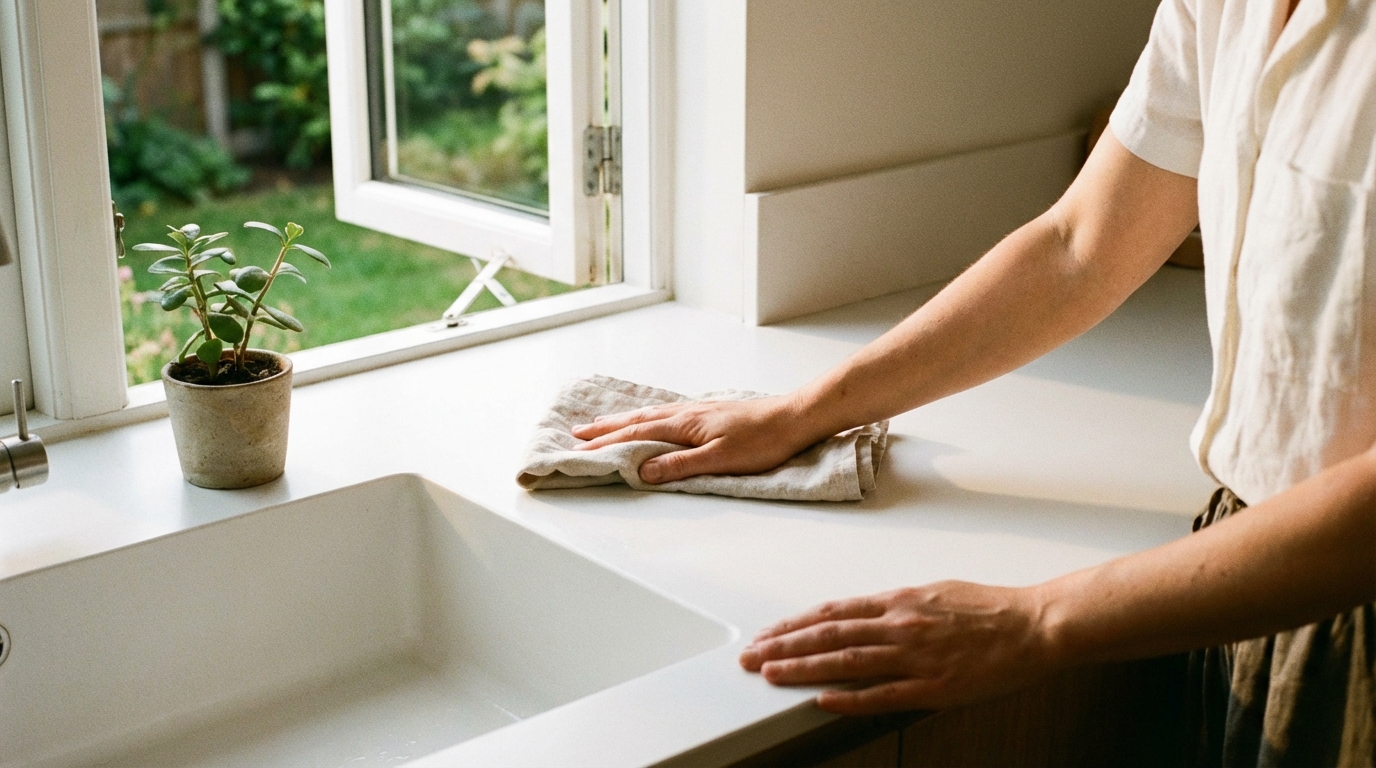
Clean surfaces often seem like a small detail, yet they shape how indoor spaces feel and function every day. From kitchen counters to desks and floors, the condition of surfaces influences comfort, focus, and emotional balance. When surfaces are clear and clean, the environment sends signals of order and care that the brain can process with less effort. This article explores how tidy surfaces support a calmer state of mind and why this effect is noticeable across many types of indoor spaces.
The link between physical order and mental ease
Human brains are constantly scanning surroundings for information, even when attention is focused elsewhere. Clean surfaces reduce the amount of visual data that needs to be processed, which can lower mental strain. When clutter and grime are present, the brain must sort through extra signals, often without conscious awareness. This ongoing effort can contribute to feelings of restlessness or mild stress.
Orderly surfaces also help create predictability in a space. Predictability is comforting because it allows the mind to relax rather than stay alert for unexpected changes. Over time, being in an environment with clean, organized surfaces can support a steady sense of calm. This effect builds gradually as the brain learns to associate the space with ease and control.
How visual clarity affects the nervous system
Visual clarity plays a strong role in how the nervous system responds to an environment. Clean surfaces reflect light evenly and present fewer contrasting shapes and colors. This balance makes it easier for the eyes to move naturally across a room. When the eyes are not constantly adjusting, the nervous system can remain in a more relaxed state.
Messy or dirty surfaces often create sharp contrasts and irregular patterns. These features can subtly signal disorder or unfinished tasks. The nervous system may respond with low-level alertness, even if no real threat exists. Clean surfaces help remove these triggers, supporting a calmer baseline response.
Light, space, and perception
Clean surfaces tend to enhance how light spreads through a room. Dust, smudges, and clutter absorb or block light, making spaces feel smaller and heavier. When surfaces are clean, light can bounce more freely, creating a sense of openness. This openness is often linked with feelings of ease and breathing room.
Perception of space is not only about size but also about clarity. A small room with clean surfaces can feel calmer than a large room filled with visual noise. By improving how space is perceived, clean surfaces help the mind settle more comfortably into the environment.
Tidiness and cognitive load
Cognitive load refers to how much information the brain is processing at any given time. Clean surfaces reduce this load by removing unnecessary stimuli. When there are fewer items and marks competing for attention, the brain can focus on what matters most. This can support clearer thinking and calmer reactions.
High cognitive load is often linked with irritability and mental fatigue. Dirty or cluttered surfaces add to this load by constantly reminding the brain of tasks left undone. Cleaning surfaces removes these reminders and allows mental energy to be used more efficiently. Over time, this efficiency supports emotional balance.
Attention and task focus
Surfaces such as desks and tables are often central to daily tasks. When these surfaces are clean, attention can stay on the task rather than drifting to surrounding clutter. This focused attention reduces frustration and helps maintain a steady rhythm of work or activity. Calm often follows when tasks feel manageable.
Distractions do not need to be loud or obvious to affect focus. Even small messes can pull attention away in subtle ways. Clean surfaces reduce these micro-distractions, supporting a smoother flow of attention and a more settled state of mind.
Emotional signals sent by clean environments
Environments communicate emotional cues through their condition and care. Clean surfaces often signal safety, stability, and respect for the space. These signals can help people feel more at ease, even if they are not consciously aware of the reason. Emotional comfort grows when surroundings feel looked after.
On the other hand, neglected surfaces may suggest chaos or lack of control. This can create unease or tension, especially in shared spaces. Keeping surfaces clean helps maintain a neutral or positive emotional tone. This tone supports calm interactions and personal comfort.
Sense of control and reassurance
Clean surfaces often reflect a sense of control over one’s environment. This sense of control can be reassuring, especially during busy or uncertain times. When the physical space feels manageable, emotional responses may feel more manageable as well. Calm can emerge from this connection between order and confidence.
Reassurance does not require perfection. Even simple, consistent cleaning habits can create a baseline of order. This baseline helps the mind relax, knowing that the environment is predictable and supportive.
The role of habit and routine
Regular surface cleaning can become a calming routine in itself. Predictable actions provide structure to the day, which many people find soothing. The act of cleaning can also offer a brief pause from mental demands. This pause allows the mind to reset and regain balance.
Over time, routines build familiarity with the space. Familiarity reduces uncertainty and stress. When clean surfaces are maintained through habit, calm becomes part of the environment rather than a temporary feeling.
Small actions with steady impact
Cleaning does not need to be time-consuming to be effective. Wiping a counter or clearing a table can quickly improve how a space feels. These small actions add up, reinforcing a sense of care and attention. The mind often responds positively to these visible signs of effort.
Consistency matters more than intensity. Regular, light cleaning keeps surfaces from becoming overwhelming. This steady approach supports calm by preventing the build-up of stress linked to larger cleaning tasks.
Health, cleanliness, and peace of mind
Clean surfaces are closely connected to physical health, which in turn affects mental calm. Surfaces free from dust, allergens, and germs reduce the risk of discomfort or illness. When the body feels well, the mind often follows. Peace of mind can grow from knowing that the environment supports health.
Concerns about hygiene can create background anxiety. Clean surfaces help ease these concerns by providing visible reassurance. This reassurance allows attention to shift away from worry and toward more positive or neutral thoughts.
Reducing unseen stressors
Many stressors are not immediately visible, such as bacteria or allergens. Regular surface cleaning reduces these hidden factors. Even without detailed knowledge, people often feel calmer in spaces that appear clean. This feeling is tied to trust in the environment.
Trust reduces the need for constant vigilance. When the environment is trusted, the nervous system can remain relaxed. Clean surfaces help build and maintain this trust over time.
Shared spaces and social calm
In shared indoor spaces, clean surfaces play a role in social harmony. Cleanliness shows consideration for others, which can reduce tension. When everyone feels comfortable using a space, interactions tend to be smoother. Calm can spread through these positive social signals.
Messy or dirty surfaces in shared areas may cause frustration or discomfort. These feelings can affect mood and communication. Maintaining clean surfaces helps create a neutral ground where people feel respected and at ease.
Unspoken agreements and comfort
Clean shared surfaces often reflect unspoken agreements about care and respect. These agreements help people feel secure in the space. Security supports calm by reducing the need to guard personal boundaries. The environment becomes a place of ease rather than conflict.
Even in busy households or workplaces, simple cleaning efforts can support these agreements. The result is a calmer atmosphere that benefits everyone using the space.
Clean surfaces in areas of rest
Bedrooms, living rooms, and other resting areas benefit greatly from clean surfaces. These spaces are meant for relaxation, and cleanliness supports that purpose. When surfaces are free from clutter and dirt, the mind receives a clear signal that it is time to rest. This signal can help the body unwind.
Rest is closely tied to emotional regulation. Clean surfaces reduce mental noise that can interfere with relaxation. By supporting better rest, cleanliness indirectly supports overall calm during waking hours.
Sleep and sensory comfort
Before sleep, the brain becomes more sensitive to sensory input. Clean surfaces reduce visual and tactile distractions that might otherwise keep the mind alert. This reduction supports a smoother transition into sleep. Calm evenings often begin with orderly surroundings.
Sensory comfort includes how a space smells and feels. Clean surfaces contribute to fresher air and smoother textures. These factors help create a peaceful environment that supports deep rest.
The psychology of finishing and completion
Cleaning surfaces provides a clear sense of completion. A wiped table or polished floor shows immediate results. This sense of completion can be satisfying and calming. The brain responds positively to finished tasks.
Unfinished tasks, even small ones, can linger in the mind. Dirty surfaces may act as reminders of work left undone. Cleaning removes these reminders, allowing the mind to rest more fully in the present moment.
Visual closure and mental relief
Visual closure occurs when the brain recognizes a task as complete. Clean surfaces provide this closure by looking finished and cared for. This recognition brings mental relief. Calm often follows when the brain can close a loop.
Mental relief does not require large achievements. Small acts of cleaning can provide frequent moments of closure. These moments accumulate, supporting a more relaxed mental state throughout the day.
Design, cleanliness, and emotional balance
Interior design often emphasizes clean lines and open surfaces for a reason. These features support emotional balance by reducing clutter and distraction. Clean surfaces allow design elements to work as intended. The result is a space that feels intentional and calm.
When surfaces are kept clean, colors and textures appear more consistent. This consistency supports harmony in the space. Harmony is closely linked with feelings of ease and comfort.
Minimalism versus practical cleanliness
Calm does not require extreme minimalism. Practical cleanliness focuses on keeping surfaces usable and clear enough to feel comfortable. This approach allows personal items without overwhelming the senses. Balance is key to emotional comfort.
By focusing on surface cleanliness rather than strict rules, spaces can remain welcoming and calm. This flexibility helps maintain long-term ease without added pressure.
Teaching calm through the environment
Clean surfaces can model calm behaviors for children and guests. Environments often teach expectations without words. When surfaces are clean, they suggest care, patience, and order. These qualities can influence how people behave within the space.
Learning through the environment is subtle but powerful. Calm surroundings encourage calmer actions. Clean surfaces support this quiet form of guidance.
Consistency and emotional learning
Consistent cleanliness helps reinforce emotional lessons. When calm is regularly experienced in a clean space, the association grows stronger. Over time, the environment itself becomes a cue for relaxation. This learning happens naturally through repetition.
Such associations can last for years. Clean surfaces become part of a mental map linked with safety and ease. This map supports emotional balance in familiar spaces.
Everyday maintenance and sustainable calm
Maintaining clean surfaces does not require constant effort. Simple daily habits can keep spaces feeling calm and welcoming. Sustainability in cleaning supports long-term emotional benefits. Calm is easier to maintain when routines are realistic.
When cleaning feels manageable, it is less likely to become a source of stress. The goal is to support well-being, not perfection. Clean surfaces serve as a foundation for ongoing mental ease.
Across indoor environments, clean surfaces quietly shape emotional experiences. They reduce visual noise, support health, and signal care and control. Through consistent attention and simple habits, surfaces can help create spaces that feel calm and supportive day after day.