
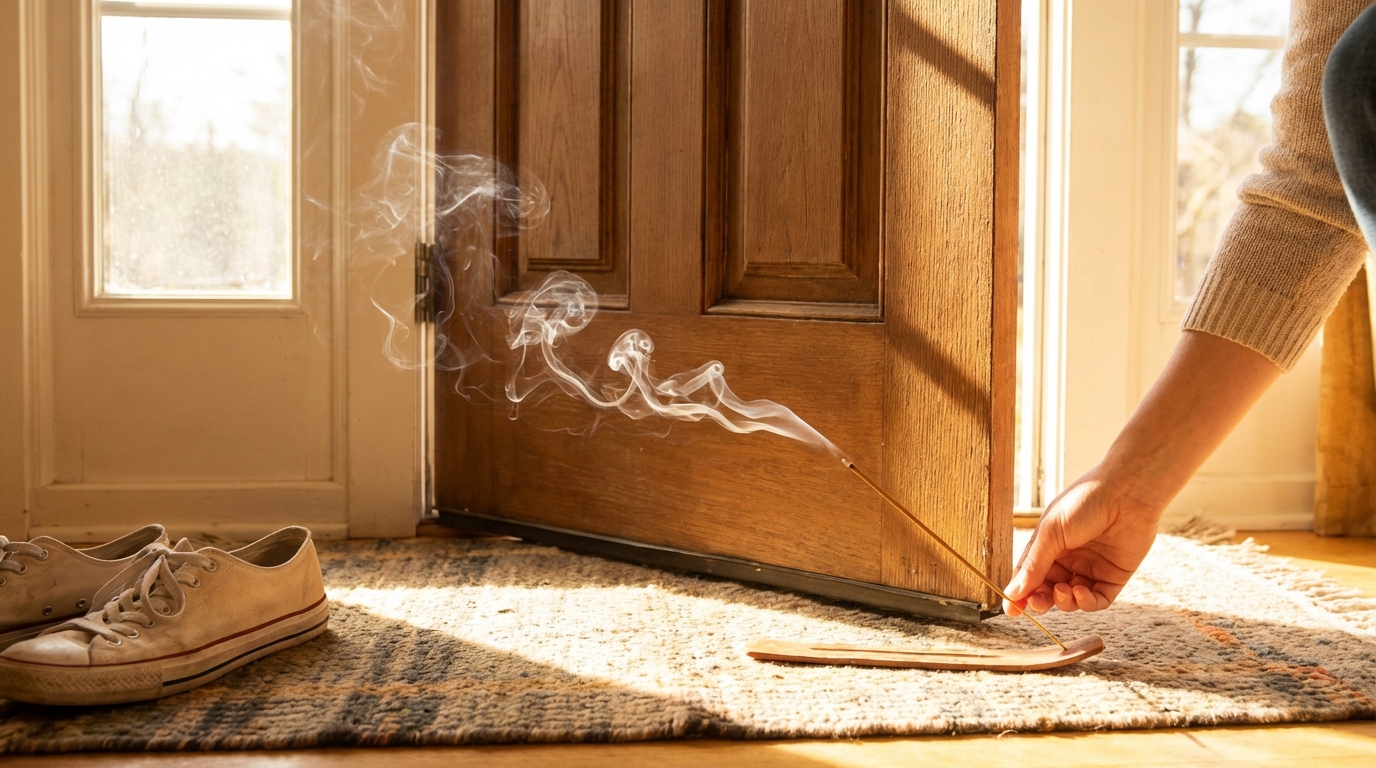
Indoor warmth depends on many small details working together, and door drafts are one of the most common places where heat quietly slips away. Even a narrow gap around a door can let cold air enter and warm air escape, changing how a room feels and how hard a heating system must work. Drafts are often easy to miss because they hide along edges, under thresholds, or behind trim. Understanding how door drafts affect indoor warmth helps explain why some rooms feel chilly even when the thermostat is set high.
Drafts do more than lower comfort. They can raise energy bills, create uneven temperatures, and make indoor spaces feel unsettled. Cold air moving along the floor can cause people to add extra layers or turn up the heat, even though the problem is localized. By learning how to find and fix drafts, it becomes easier to improve comfort without major renovations.
What Door Drafts Are and Why They Matter
A door draft is the movement of outdoor air into a building through gaps around a door. These gaps can appear at the bottom, along the sides, or at the top where the door meets the frame. Drafts matter because air movement transfers heat quickly, making rooms feel colder than the actual air temperature. This effect is especially noticeable in winter when outdoor air is much colder than indoor air.
When a draft is present, the body senses the moving air and reacts by feeling cold. This sensation is known as wind chill, and it can happen indoors just as it does outdoors. Even small drafts can reduce comfort in areas where people sit or walk often. Over time, repeated exposure to drafts can make a home feel difficult to heat evenly.
How Door Drafts Reduce Indoor Warmth
Indoor warmth depends on keeping heated air inside and blocking cold air from entering. Door drafts break this balance by creating pathways for air exchange. Warm air escapes through gaps, while colder, denser air pushes inward to replace it. This constant movement lowers the average temperature near the door and nearby rooms.
Heating systems respond to this loss by running longer or more often. As warm air leaks out, thermostats may sense a drop in temperature and signal the system to add more heat. This cycle increases energy use while still leaving cold spots near doors. Over time, the presence of drafts can make it difficult to maintain steady indoor warmth.
Common Causes of Door Drafts
Door drafts usually develop slowly as buildings age and materials shift. Everyday use, changes in humidity, and settling of the structure can all create small gaps. Understanding common causes makes it easier to know where to look and what type of fix may be needed.
Worn or Missing Weatherstripping
Weatherstripping is designed to seal the space between a door and its frame. Over time, it can crack, compress, or peel away, leaving openings for air to pass through. Older weatherstripping materials may harden and lose flexibility, reducing their ability to form a tight seal. When this happens, drafts often appear along the sides or top of the door.
Gaps at the Door Bottom
The space between the bottom of a door and the floor is a common source of drafts. Floors can be uneven, or doors may be trimmed too short, leaving a visible gap. Cold air tends to enter at floor level, making this type of draft especially noticeable. Rugs may hide the gap but rarely stop the airflow.
Misaligned Doors and Frames
Doors can shift out of alignment due to building movement or repeated use. Hinges may loosen, or frames may warp slightly, creating uneven gaps. These gaps are often wider on one side of the door, allowing air to pass through more easily. Misalignment can also prevent weatherstripping from making full contact.
Cracks and Gaps Around the Frame
Even if the door itself fits well, gaps can exist between the door frame and the surrounding wall. These spaces may be hidden behind trim or molding. Air can travel through these cavities and enter the room near the door edges. This type of draft is often overlooked during quick inspections.
How to Find Door Drafts
Finding drafts requires careful observation and a few simple techniques. Drafts are not always visible, but they can often be felt or detected with common household items. Checking doors during colder or windier days can make drafts easier to notice.
Several practical methods can help identify where air is entering:
- Feeling for air movement with a hand along the edges of the door.
- Watching a thin piece of tissue or lightweight paper move near gaps.
- Noticing cold spots on the floor or nearby walls.
- Listening for whistling or faint outdoor sounds near the door.
These methods help narrow down the exact location of a draft. Once the source is identified, it becomes easier to choose the right fix. Careful detection prevents unnecessary repairs in areas that are not causing the problem.
The Impact of Drafts on Comfort and Energy Use
Door drafts affect more than just temperature readings. They change how warm or cold a space feels to the people using it. Moving air increases heat loss from the skin, making indoor environments feel colder than still air at the same temperature. This can lead to discomfort even when the thermostat setting seems reasonable.
From an energy perspective, drafts create inefficiency. Heating systems must replace the lost warm air, using more fuel or electricity. Over time, this extra demand can increase utility costs. Reducing drafts helps heating systems operate more steadily and efficiently.
Simple Fixes for Minor Door Drafts
Many door drafts can be fixed with basic tools and affordable materials. Simple solutions are often effective for small gaps and worn seals. These fixes can usually be completed in a short amount of time and do not require professional help.
Replacing or Adding Weatherstripping
New weatherstripping can restore a tight seal around a door. Materials come in foam, rubber, vinyl, or felt, each designed for different gap sizes. Proper installation is important to ensure the door still opens and closes smoothly. A snug but flexible fit helps block air without causing resistance.
Installing Door Sweeps
A door sweep attaches to the bottom of the door and seals the gap between the door and the floor. Sweeps are especially useful for blocking cold air that enters at floor level. They come in different styles, including brush and rubber designs. Choosing the right length and material helps ensure full coverage.
Using Draft Stoppers
Draft stoppers are fabric or foam tubes placed along the bottom of a door. They are easy to use and require no installation. While they are not a permanent fix, they can significantly reduce airflow. Draft stoppers work well in spaces where permanent changes are not possible.
Addressing Larger or Hidden Draft Issues
Some drafts come from structural gaps that require more effort to fix. These issues may not be visible without removing trim or inspecting the surrounding wall. Addressing them can have a noticeable effect on indoor warmth, especially in older buildings.
Sealing Gaps Around Door Frames
Gaps between the door frame and wall can be sealed with caulk or expanding foam. This process usually involves removing interior trim to access the space. Once sealed, the trim can be reinstalled for a finished look. Proper sealing prevents air from traveling through wall cavities.
Adjusting or Repairing Door Alignment
Misaligned doors may need hinge adjustments or frame repairs. Tightening screws or adding shims can help reposition the door for a better fit. In some cases, professional repair may be needed to correct warping or structural movement. Proper alignment allows weatherstripping to work as intended.
Seasonal Factors That Influence Door Drafts
Door drafts can change with the seasons due to temperature and humidity differences. Materials like wood expand and contract, altering the size of gaps. A door that seals well in summer may develop drafts in winter. Seasonal inspections help catch these changes early.
Cold weather increases pressure differences between indoor and outdoor air. This makes drafts stronger and more noticeable. Paying attention to doors before the coldest months arrive can improve comfort throughout the season. Small adjustments made early can prevent larger problems later.
Special Considerations for Renters
Renters may face limits on how much they can modify a door or frame. However, many draft-reduction methods are temporary and non-damaging. These options allow improved comfort without violating lease agreements.
Non-permanent solutions suitable for renters include:
- Removable weatherstripping that peels away cleanly.
- Draft stoppers or weighted door snakes.
- Clear plastic film kits for doors with glass panels.
These methods can reduce drafts without permanent changes. They also offer flexibility when moving out or changing living arrangements. Even temporary fixes can make a noticeable difference in indoor warmth.
When Professional Help May Be Needed
Some door draft issues go beyond simple fixes and may require professional assessment. Persistent drafts after basic repairs can indicate deeper structural problems. Professionals can identify hidden air pathways and recommend long-term solutions.
Situations that may call for professional help include severe door warping, extensive frame gaps, or signs of moisture damage. Addressing these issues early helps protect both comfort and the building itself. Professional repairs can also improve durability and performance over time.
Moisture, Air Leaks, and Indoor Comfort
Door drafts are often linked to moisture issues. Cold air entering through gaps can lower surface temperatures, leading to condensation. Over time, this moisture can affect door frames and nearby walls. Managing drafts helps reduce the risk of moisture-related damage.
Reducing air leaks also supports better indoor air quality. Controlled airflow allows ventilation systems to work as designed. This balance helps maintain comfortable humidity levels while keeping indoor warmth stable. Addressing drafts contributes to a healthier indoor environment.
Cost Considerations and Material Choices
Fixing door drafts is often one of the most cost-effective ways to improve indoor warmth. Materials like weatherstripping and door sweeps are relatively inexpensive. The return on investment can be seen in improved comfort and lower heating costs.
Choosing durable materials can extend the life of the repair. Higher-quality weatherstripping may cost more upfront but last longer and perform better. Matching materials to the specific door type and gap size ensures the best results. Thoughtful choices reduce the need for frequent replacements.
Ongoing Maintenance to Prevent Future Drafts
Regular maintenance helps keep doors sealed and draft-free. Periodic inspections can catch wear and tear before it becomes a major issue. Simple tasks like tightening hinges or cleaning weatherstripping can make a difference.
Paying attention to changes in comfort near doors provides early warning signs. If a previously warm area starts to feel cold, a new draft may be forming. Addressing small issues promptly helps maintain indoor warmth and prevents energy loss over time.