
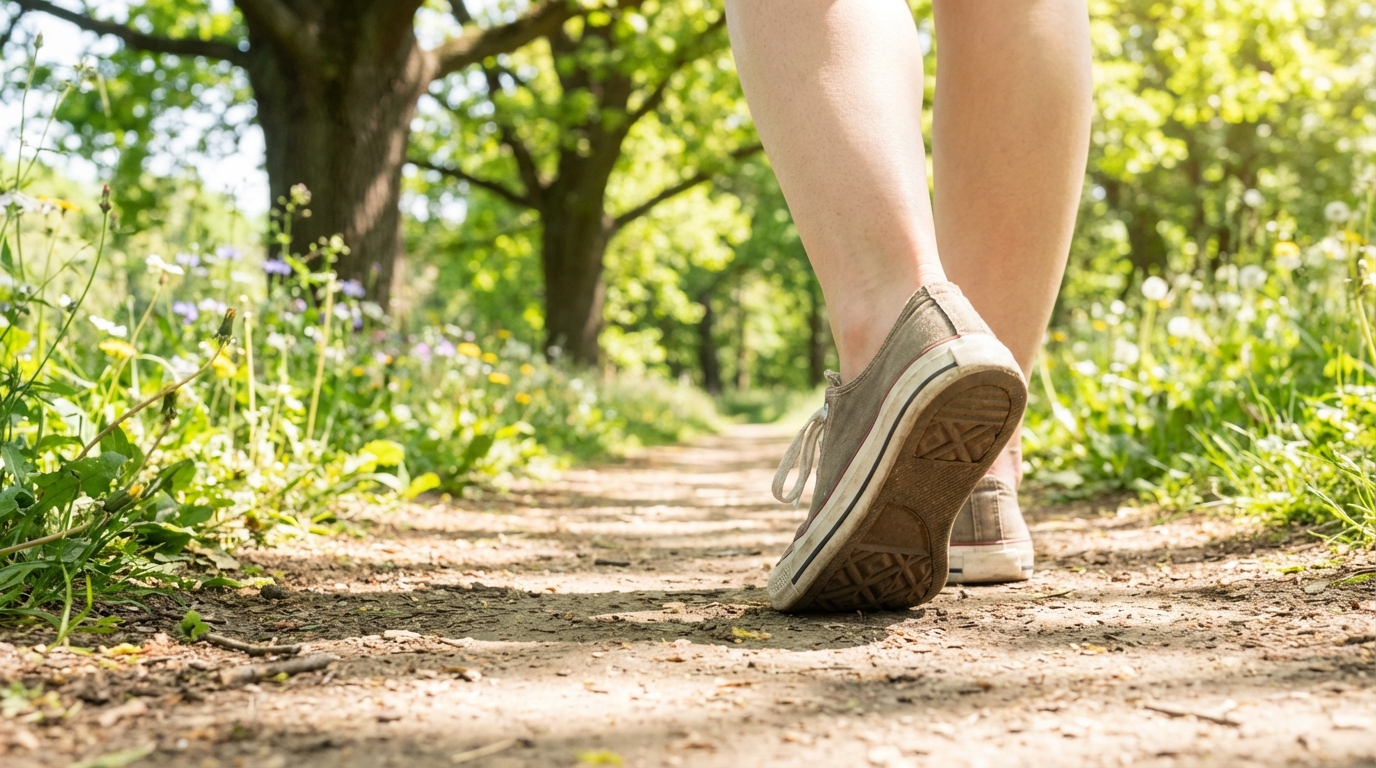
Spending time outdoors does not require special gear, athletic skill, or a packed schedule. Simple habits, repeated often, can quietly shape better health over time. Being outside supports movement, rest, attention, and mood in ways that feel natural rather than forced. Small choices, like stepping out for fresh air or walking a different route, can add up to meaningful change.
Outdoor habits are flexible and fit many lifestyles, from busy workdays to relaxed weekends. They can happen in cities, suburbs, and rural areas, and they adapt to different seasons and abilities. This article explores easy ways to be outside more often and explains how these habits support physical, mental, and social health. The focus stays on practical actions that feel doable and welcoming.
Why Being Outdoors Supports Health
Outdoor environments offer a mix of movement, light, sound, and space that indoor settings rarely match. Even short periods outside can encourage the body to move more naturally, whether through walking, stretching, or standing. Sunlight helps regulate daily rhythms, which can support better sleep and energy levels. These effects tend to build gradually, making consistency more important than intensity.
Nature also provides a mental break from screens and tight spaces. Looking at trees, sky, or open streets can ease mental fatigue and help attention reset. Outdoor time often lowers stress by shifting focus away from constant alerts and tasks. Over time, this regular reset can support emotional balance and clearer thinking.
Starting with Small, Daily Outdoor Moments
Easy outdoor habits work best when they fit smoothly into daily routines. Short, frequent moments outside are often more sustainable than long, planned outings. A few minutes before work, during lunch, or after dinner can make a difference. These moments do not need to be productive or planned to be valuable.
Consistency matters more than duration. Five to ten minutes outdoors each day can support health when repeated over weeks and months. This approach removes pressure and makes it easier to keep going. Over time, these small habits often expand naturally.
Stepping Outside First Thing in the Morning
Going outdoors soon after waking helps signal the body that the day has begun. Morning light supports natural sleep-wake cycles and can improve alertness. This habit can be as simple as standing on a porch, balcony, or sidewalk for a few minutes. Pairing it with an existing routine, like drinking water or stretching, makes it easier to remember.
Morning outdoor time can also set a calm tone for the day. Quiet streets or gentle sounds can feel grounding before daily demands begin. This habit does not require exercise, making it accessible on busy or low-energy days. Over time, it can become a steady anchor in the morning routine.
Short Outdoor Breaks During the Day
Brief outdoor breaks can refresh focus during work or study hours. Stepping outside for a few minutes can reduce eye strain and mental fatigue. Even a short walk or standing in fresh air can help reset attention. These breaks often improve productivity rather than interrupt it.
Outdoor breaks work well when scheduled at natural pauses, such as between meetings or tasks. Keeping shoes and a jacket ready can remove small barriers. These short moments outside can accumulate into significant outdoor time across a week.
Walking as a Foundation Habit
Walking is one of the simplest ways to be outdoors more often. It requires no special training and can be adjusted to different speeds and distances. Regular walking supports heart health, joint mobility, and mood. When done outdoors, it adds the benefits of fresh air and changing scenery.
Outdoor walking also fits easily into daily life. It can replace short car trips or become a regular break. The goal is not speed or distance, but steady movement. Over time, walking often becomes a comfortable and reliable habit.
Turning Everyday Errands into Walks
Many daily tasks can include walking with small adjustments. Walking to a nearby store, mailbox, or bus stop adds movement without extra planning. These short walks can feel less demanding than dedicated exercise. They also help connect people to their neighborhood.
Errand walks work best when expectations stay simple. Comfortable shoes and weather-appropriate clothing make the habit easier. Over time, these walks can increase confidence and familiarity with local routes.
Gentle Nature Walks for Mental Ease
Nature walks focus more on awareness than distance. Parks, trails, and tree-lined streets offer visual variety that can calm the mind. Walking at an easy pace allows time to notice sounds, colors, and movement. This attention can reduce stress and improve mood.
These walks do not need to be long or remote. Even small green spaces can offer benefits. Regular nature walks can become a reliable way to decompress and reset during busy weeks.
The Role of Sunlight and Fresh Air
Sunlight plays an important role in regulating internal clocks. Exposure to natural light during the day supports better sleep at night. Fresh air can also feel refreshing and help reduce feelings of stuffiness or fatigue. Together, these elements support daily energy patterns.
Outdoor habits that include light exposure do not require long sunbathing sessions. Simply being outside during daylight hours is enough to gain benefits. Balancing sun exposure with skin protection is important, especially during peak hours.
Balancing Sun Exposure Safely
Safe sun habits allow people to enjoy light without increasing risk. Wearing hats, using sunscreen, and seeking shade help manage exposure. Choosing morning or late afternoon outdoor time can reduce intensity. These simple steps make outdoor habits safer and more comfortable.
Listening to the body is important. Heat, glare, or discomfort are signs to adjust timing or location. Safe practices support long-term enjoyment of outdoor routines.
Adapting Outdoor Habits to Different Weather
Weather changes often stop people from going outside, but flexibility helps maintain habits. Most weather conditions can be managed with planning and appropriate clothing. Being outdoors does not require perfect conditions. Learning to adapt builds confidence and consistency.
Different weather can also add variety. Cool air, light rain, or gentle wind can make outdoor time feel fresh. Adjusting expectations helps people stay outside more often across seasons.
Simple Strategies for Cold or Rainy Days
Cold or wet weather can still support outdoor time with the right approach. Dressing in layers and using waterproof gear can make short outings comfortable. Choosing sheltered routes or nearby locations reduces exposure. Even a few minutes outside can be worthwhile.
These conditions often bring quieter surroundings, which some people enjoy. Accepting less-than-perfect weather reduces the tendency to skip outdoor habits. Over time, confidence grows with experience.
Staying Comfortable in Hot Weather
Hot weather calls for slower pacing and smarter timing. Early morning or evening outings reduce heat stress. Light clothing and hydration support comfort and safety. Shady areas help keep outdoor time pleasant.
Listening to signs of fatigue or overheating is essential. Shorter sessions can replace longer ones during heat waves. This flexibility keeps outdoor habits steady without unnecessary risk.
Micro-Adventures Close to Home
Outdoor habits do not need to involve travel or long trips. Micro-adventures are small explorations near home that add interest and novelty. They can refresh motivation and curiosity. These experiences often feel more accessible than traditional outings.
Exploring local areas builds familiarity and appreciation for nearby spaces. It also reduces planning time and cost. Over time, these small adventures can become a regular part of life.
Exploring New Routes and Spaces
Taking a different street or path can change the outdoor experience. New routes encourage awareness and engagement. This novelty can make regular walks feel less repetitive. It also helps build a mental map of the area.
These explorations can be spontaneous or lightly planned. The focus stays on curiosity rather than distance. Over time, familiar places can still feel fresh.
Social Benefits of Outdoor Habits
Outdoor time often supports social connection in gentle ways. Shared walks, casual conversations, or group activities can happen naturally outside. These interactions can feel less formal and more relaxed. Social support plays an important role in overall health.
Outdoor settings can reduce pressure and make communication easier. Being side by side during a walk can feel more comfortable than sitting face to face. These moments can strengthen relationships without requiring special events.
Making Outdoor Time Social Without Pressure
Inviting someone for a short walk or outdoor break keeps expectations simple. These invitations can be open-ended and flexible. Even brief shared time can support connection. The focus stays on being together rather than performance.
Outdoor social habits can also include community spaces like parks or markets. Casual interactions with neighbors can build a sense of belonging. These small connections add up over time.
Outdoor Habits and Mental Well-Being
Being outside often supports emotional balance. Natural light, movement, and open space can reduce feelings of tension. Outdoor habits may help manage stress and support attention. These effects often feel subtle but steady.
Regular outdoor time can also support self-regulation. Pausing outside allows space to reflect and reset. Over time, this can improve coping with daily challenges.
Using Outdoor Time to Reset Attention
Attention fatigue builds during long periods of focus. Outdoor breaks can restore mental energy by offering gentle stimulation. Watching clouds, leaves, or passing people gives the mind a rest. This reset can improve focus afterward.
These breaks work best when screens are set aside. Even short periods without digital input can feel refreshing. Regular practice strengthens this benefit.
Reducing Common Barriers to Going Outside
Many people want to be outside more but face practical barriers. Time pressure, lack of motivation, or uncertainty about what to do can interfere. Addressing these barriers with simple solutions helps habits stick. Small adjustments often make a big difference.
Recognizing barriers without judgment is important. Outdoor habits should feel supportive, not stressful. Flexibility and self-kindness support long-term consistency.
Making Outdoor Habits Easier to Start
Reducing preparation helps remove friction. Keeping outdoor clothing accessible and choosing nearby locations saves time. Clear, simple plans make it easier to begin. These steps lower the mental effort required.
Pairing outdoor time with existing routines also helps. For example, stepping outside after meals or calls creates a natural cue. Over time, starting becomes automatic.
Outdoor Time for Different Life Stages
Outdoor habits can adapt to different ages and abilities. Children, adults, and older individuals all benefit from time outside. Adjusting activities to energy levels and needs keeps habits inclusive. The focus stays on comfort and enjoyment.
Outdoor time can support learning, movement, and rest across life stages. It also offers opportunities for shared experiences. Flexibility ensures that habits remain supportive rather than demanding.
Supporting Outdoor Habits for Children
Children often benefit from unstructured outdoor play. Being outside supports movement, creativity, and attention. Simple activities like walking, exploring, or sitting on grass can be enough. Regular outdoor time can support healthy development.
Keeping outdoor habits simple reduces resistance. Short, frequent outings work better than long ones. Positive experiences help build a lifelong comfort with being outdoors.
Outdoor Habits for Older Adults
For older adults, outdoor time can support mobility and mood. Gentle walking, sitting outside, or gardening are accessible options. These activities support balance and social connection. Safety and comfort remain priorities.
Choosing familiar, well-maintained spaces reduces risk. Outdoor habits can be adjusted to energy levels. Regular exposure supports both physical and emotional well-being.
Urban Outdoor Habits
City environments still offer many ways to be outside. Sidewalks, parks, rooftops, and balconies can all support outdoor habits. Urban outdoor time often involves movement and observation. These spaces provide valuable access to light and air.
Learning to use available spaces creatively increases opportunities. Even small areas can support meaningful outdoor time. Regular use builds familiarity and comfort.
Finding Green Spaces in Cities
Urban green spaces may include small parks, community gardens, or tree-lined streets. These areas offer visual relief and shade. Seeking them out can improve the outdoor experience. Over time, favorite spots often emerge.
Green spaces also support social interaction. Shared areas encourage casual connection. Regular visits can strengthen a sense of place.
Tracking Progress Without Pressure
Tracking outdoor habits can support motivation, but it should stay simple. The goal is awareness, not perfection. Noticing patterns helps people adjust routines. Overtracking can create unnecessary pressure.
Gentle tracking methods keep focus on enjoyment. A simple note or mental check-in may be enough. The habit itself remains the priority.
Simple Ways to Notice Outdoor Time
Some people find it helpful to mark outdoor time on a calendar. Others prefer reflecting at the end of the day. These methods highlight consistency rather than duration. The focus stays on showing up.
Celebrating small efforts supports motivation. Even brief outdoor moments count. This mindset supports long-term habit building.
Connecting Outdoor Habits with Daily Needs
Outdoor habits can pair naturally with other healthy behaviors. Eating, resting, or moving outside adds value to everyday actions. These pairings reduce the need for extra time. Health benefits often increase through combination.
Linking habits helps create a supportive routine. Outdoor time becomes part of daily life rather than an extra task. This integration supports consistency.
Eating or Resting Outdoors
Eating a meal or snack outside can slow the pace and support mindful eating. Fresh air and natural light can improve enjoyment. Even short outdoor rests can feel restorative. These moments add variety to daily routines.
Choosing comfortable seating and shade supports relaxation. These habits work well during breaks or weekends. Over time, they become something to look forward to.
Supporting Better Sleep Through Outdoor Time
Daytime outdoor exposure supports natural sleep patterns. Light exposure helps signal when it is time to feel alert or sleepy. Regular outdoor habits can support more consistent rest. This effect builds gradually.
Outdoor time earlier in the day tends to be most helpful. Evening outdoor habits can also support relaxation when light is softer. These routines support overall balance.
Respecting the Environment While Being Outside
Outdoor habits work best when they include respect for shared spaces. Simple actions help protect environments for everyone. Caring for outdoor areas supports long-term access. Responsibility and enjoyment can go together.
Awareness of surroundings encourages mindful behavior. Small choices help maintain clean and welcoming spaces. This respect benefits communities and ecosystems.
Simple Practices for Outdoor Care
Carrying out trash and staying on paths helps protect natural areas. Being mindful of noise supports others’ enjoyment. Respecting plants and wildlife maintains balance. These practices are easy to adopt.
Modeling respectful behavior encourages others to do the same. Over time, shared care strengthens community spaces. Outdoor habits become part of a larger, supportive system.