
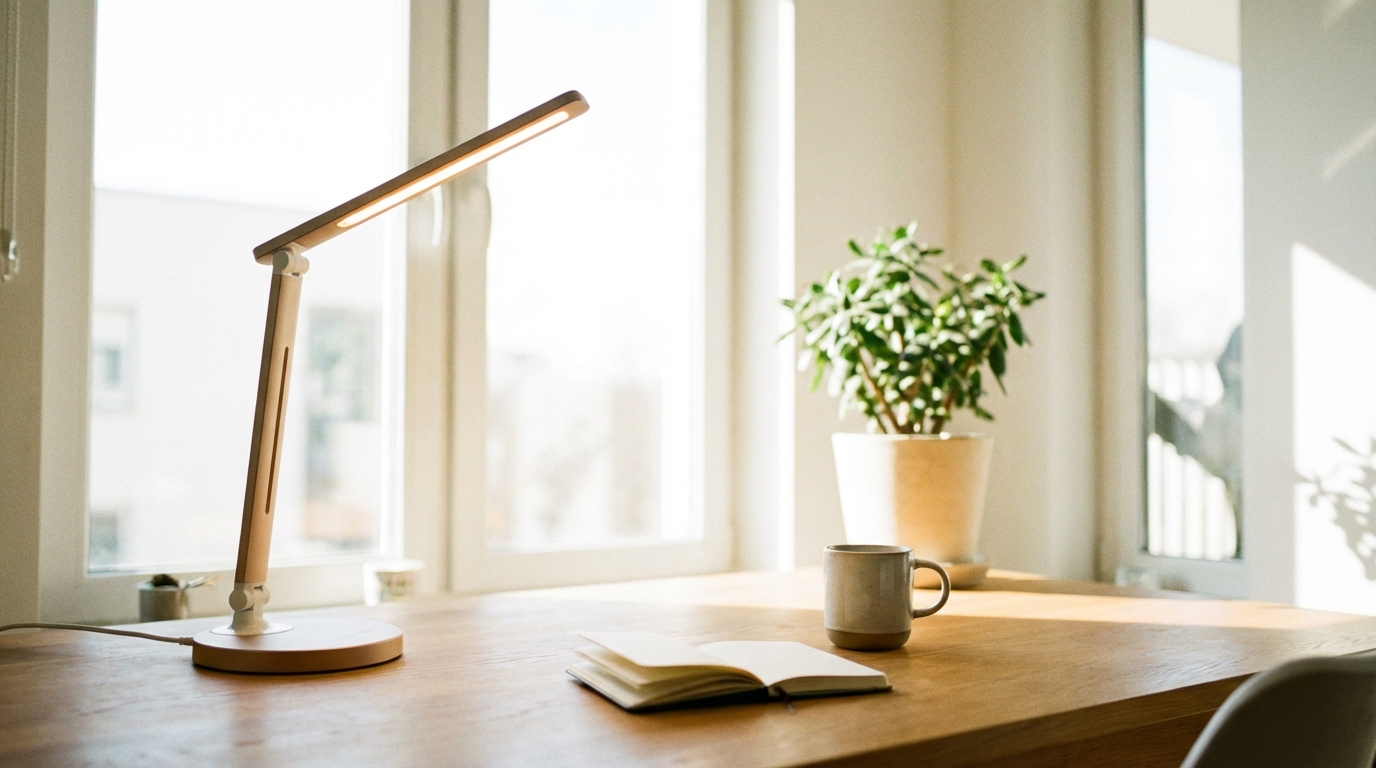
Indoor light shapes how alert or tired people feel throughout the day. From early morning kitchens to late-night living rooms, lighting quietly sends signals to the brain about whether it is time to focus, relax, or rest. These signals influence mood, attention, and overall energy, even when they are not noticed. Understanding how indoor light works helps explain why some rooms feel energizing while others make people sleepy.
The Connection Between Light and Human Energy
Light affects the body by interacting with the brain and nervous system. When light enters the eyes, it does more than help with vision. It also sends messages to areas of the brain that control alertness, hormones, and daily rhythms.
Bright light usually increases alertness and mental energy, while dim light tends to signal the body to slow down. This is why people often feel more awake in well-lit spaces and more relaxed in darker ones. The type, strength, and timing of light all work together to shape these responses.
Indoor lighting matters because many people spend most of their day inside. Offices, schools, stores, and homes rely on artificial light for long periods. The way these spaces are lit can either support steady energy or lead to fatigue and low mood.
How the Body Responds to Light Signals
The human body follows a natural 24-hour cycle called the circadian rhythm. This internal clock helps regulate sleep, wakefulness, body temperature, and hormone release. Light is the strongest signal that keeps this clock on track.
Special cells in the eyes detect light and send information directly to the brain’s timing center. Bright and cool-toned light tends to tell the brain that it is daytime. In response, the brain reduces sleep-related hormones and increases alertness.
When indoor lighting does not match the time of day, the body can become confused. For example, dim light during the morning may leave people feeling groggy. Very bright light late at night can delay sleep and lower energy the next day.
Brightness Levels and Alertness
Brightness, often measured in lux, plays a major role in how energized a space feels. Higher light levels generally support focus, quicker reactions, and improved mood. Lower light levels encourage calmness and rest.
In work or study areas, insufficient brightness can cause eye strain and mental fatigue. People may feel sleepy or distracted even if they had enough sleep. On the other hand, extremely bright light in a relaxing space can feel uncomfortable and overstimulating.
Balanced brightness supports steady energy without causing strain. This balance depends on the activity, the time of day, and the individual. Reading, cooking, and detailed tasks need more light than watching television or winding down.
Task Lighting Versus Ambient Lighting
Indoor spaces usually use more than one type of lighting. Ambient lighting provides general illumination for the whole room. Task lighting focuses on specific activities like reading, writing, or food preparation.
Task lighting allows higher brightness where it is needed without flooding the entire space with intense light. This helps maintain energy and focus during activities while keeping the overall environment comfortable. Proper use of both types supports alertness without discomfort.
Color Temperature and Its Effect on Mood
Color temperature describes whether light appears warm or cool. It is measured in kelvins, but it is often described using simple terms like warm white or cool white. Warm light has yellow or orange tones, while cool light has blue or white tones.
Cool light tends to increase alertness and concentration. It is similar to natural daylight and often feels energizing. Warm light feels softer and more calming, which can reduce stress but may also lower energy levels.
The color temperature of indoor light can shape how a room feels emotionally. A space with cool light may feel active and focused, while a space with warm light may feel cozy and restful. Choosing the right tone for the right activity helps support healthy energy patterns.
Matching Color Temperature to Time of Day
During the morning and afternoon, cooler light supports natural alertness. It reinforces daytime signals and helps the brain stay engaged. Many offices and classrooms use cooler lighting for this reason.
In the evening, warmer light supports relaxation and prepares the body for rest. Reducing exposure to cool light later in the day can protect sleep quality. This timing-based approach helps maintain steady energy from morning to night.
Natural Light Versus Artificial Light
Natural daylight is often considered the gold standard for supporting energy and mood. It changes in brightness and color throughout the day, which helps guide the body’s internal clock. Access to windows and skylights can improve alertness and well-being.
Artificial light can mimic some qualities of daylight, but it is often more static. Many indoor environments rely on the same lighting level from morning to evening. This can weaken natural energy signals if not managed carefully.
Combining natural and artificial light effectively creates healthier indoor spaces. Using daylight during the day and adjusting artificial light as needed supports both visibility and energy. Even small increases in daylight exposure can make a noticeable difference.
Seasonal Changes and Indoor Lighting
During darker seasons, people receive less natural light. This can lead to lower energy, slower thinking, and changes in mood. Indoor lighting becomes especially important during these times.
Brighter and cooler indoor lighting during winter days can help replace some missing daylight. This approach supports alertness and reduces feelings of sluggishness. Thoughtful lighting design can help balance seasonal shifts in energy.
Glare, Shadows, and Visual Comfort
Energy levels are influenced not only by how much light is present, but also by how comfortable that light feels. Glare from bare bulbs or reflections can cause eye strain and headaches. This discomfort can drain energy over time.
Uneven lighting that creates strong shadows can also make tasks harder. The eyes must work more to adjust between light and dark areas. This extra effort can lead to fatigue and reduced focus.
Soft, evenly distributed light supports visual comfort. When the eyes feel relaxed, mental energy is easier to maintain. Using shades, diffusers, and proper fixture placement helps reduce strain.
Flicker and Light Quality
Some artificial lights produce flicker, which is rapid light variation that may not always be visible. Even when it cannot be seen, flicker can affect the nervous system. It may contribute to headaches, tiredness, and reduced concentration.
High-quality lighting systems are designed to minimize flicker. Modern LEDs with good drivers tend to perform better than older or cheaper options. Choosing stable lighting supports consistent energy levels.
Light quality also includes how accurately colors appear under the light. Poor color rendering can make spaces feel dull and uncomfortable. Better light quality supports both visual clarity and mental freshness.
Indoor Lighting and Screen Exposure
Many indoor environments include screens such as computers, tablets, and televisions. These screens emit light, often with a strong blue component. This light can influence alertness and sleep timing.
During the day, screen light can help support focus if balanced with room lighting. At night, excessive screen light may overstimulate the brain. This can make it harder to wind down and affect energy the next day.
Balancing screen brightness with surrounding light reduces strain. Dim rooms with bright screens force the eyes to work harder. A well-lit room with moderate screen brightness supports steadier energy.
Adjusting Indoor Light for Screen Use
Using softer ambient light around screens helps reduce contrast. This makes viewing more comfortable and less tiring. Adjustable lamps and indirect lighting are often helpful.
Reducing cool light exposure in the evening supports natural sleep signals. Warmer lighting and screen settings can lower overstimulation. These adjustments protect next-day energy without removing technology use.
Lighting Design in Work and Study Spaces
Workplaces and study areas depend heavily on lighting to support performance. Poor lighting can reduce productivity and increase mistakes. Good lighting supports sustained attention and mental stamina.
Bright, evenly distributed light supports alertness during demanding tasks. Access to daylight and views can further improve mood and energy. Workers often report feeling more engaged in well-lit environments.
Flexible lighting allows adjustment for different tasks and preferences. Dimming options and task lights help individuals control their energy environment. This adaptability supports comfort across long hours.
Key Lighting Elements for Focused Tasks
Several lighting elements support energy in work settings. These elements help maintain alertness without causing discomfort. Thoughtful design considers both physical and mental needs.
Important elements include the following:
- Moderate to high brightness levels that reduce eye strain
- Cool to neutral color temperatures during daytime hours
- Even light distribution with minimal glare
- Task lighting for detailed work
When these elements work together, energy levels tend to remain steadier. Workers can focus longer and feel less drained. Small lighting improvements can lead to noticeable changes in daily performance.
Lighting Choices in Living Spaces
Homes serve many purposes, from active daytime tasks to evening relaxation. Lighting needs change throughout the day in these spaces. Matching light to activity supports balanced energy.
Living rooms, kitchens, and bedrooms often benefit from layered lighting. This includes ambient, task, and accent light. Layers allow easy adjustment for different moods and energy needs.
Using brighter, cooler light for cleaning or cooking supports alertness. Softer, warmer light in the evening supports calmness. Thoughtful lighting choices help the home feel supportive rather than draining.
Age, Sensitivity, and Individual Differences
People respond to light differently based on age and sensitivity. Older adults often need more light to see clearly. Without enough brightness, they may feel tired or disoriented.
Some individuals are more sensitive to light intensity or color. Bright or cool light may feel overwhelming to them. Others may feel energized by the same conditions.
Personal control over lighting helps address these differences. Adjustable fixtures and multiple light sources allow customization. This flexibility supports healthier energy for a wider range of people.
Practical Ways to Support Energy With Indoor Light
Small lighting changes can make a meaningful difference in daily energy. These changes do not require complex systems or major renovations. Simple adjustments can align indoor light with natural rhythms.
Useful strategies include increasing daylight exposure during the morning, adjusting brightness for tasks, and reducing cool light in the evening. Paying attention to comfort and timing helps guide these choices.
Indoor lighting works best when it supports how people naturally function. When light matches activity and time of day, energy feels more stable. These principles apply across homes, workplaces, and shared indoor spaces.