
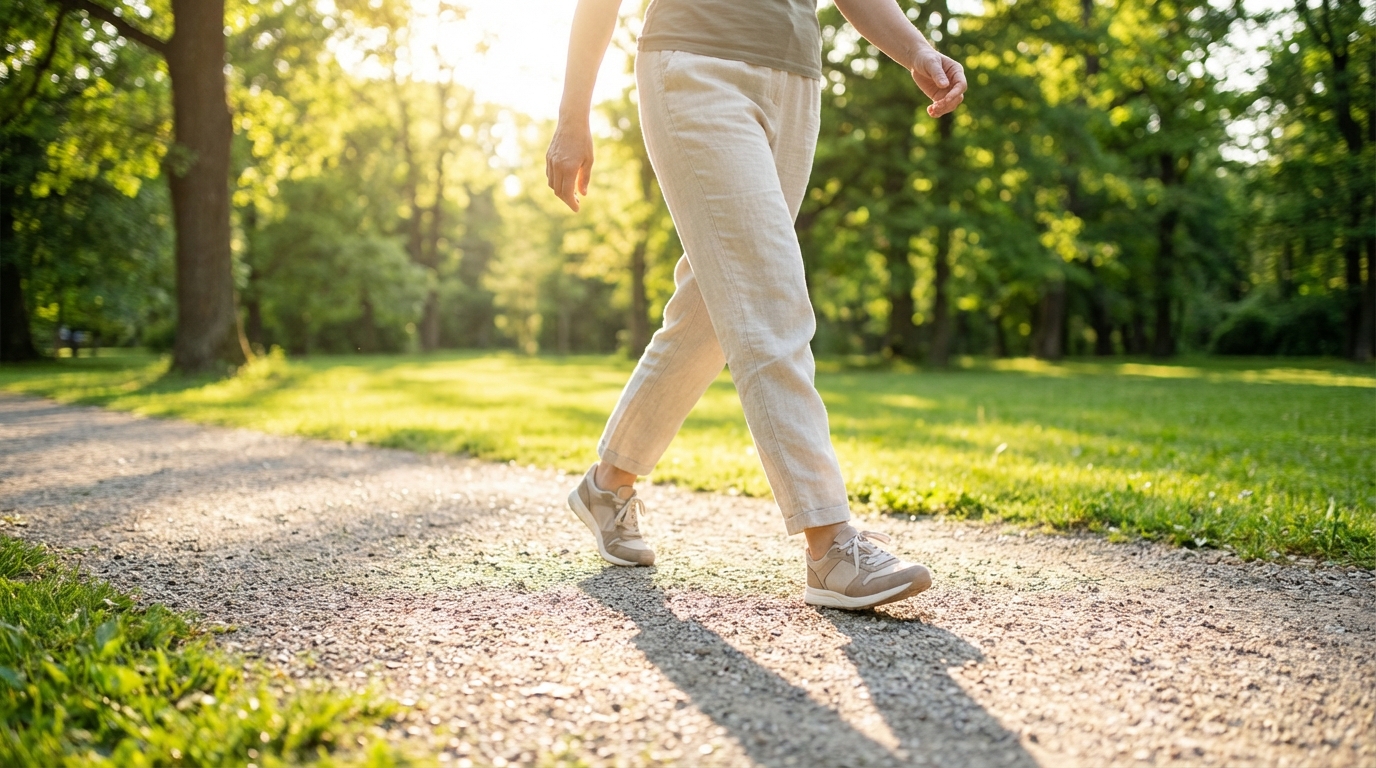
Circulation is the steady movement of blood through the body, carrying oxygen and nutrients to tissues while removing waste products. When circulation works well, muscles feel warmer, energy levels stay more even, and recovery from daily activity tends to be smoother. Many people think only intense exercise affects blood flow, but gentle movement can make a meaningful difference. Light activity fits easily into daily routines and supports circulation without placing heavy demands on the body.
Simple movements, repeated often, help blood move against gravity and through narrow vessels. This is especially helpful for people who sit or stand for long periods during the day. Light activity can be adjusted for different ages, abilities, and health conditions, making it accessible to a wide audience. Understanding how these small actions influence circulation can encourage healthier habits throughout the day.
Understanding How Circulation Works
Blood circulation depends on the heart, blood vessels, and muscles working together. The heart pumps blood through arteries, and veins return it back to the heart. Muscles play a key role by squeezing veins as they contract, helping push blood upward, especially from the legs. Without movement, blood can pool in lower parts of the body, slowing circulation.
Blood vessels also adjust their size in response to activity. When muscles move, vessels widen slightly, allowing more blood to pass through. This process improves oxygen delivery and helps regulate body temperature. Even mild movements can trigger these helpful responses and keep circulation steady.
The Role of Muscles in Blood Flow
Muscles act like natural pumps for the circulatory system. Each time a muscle tightens and relaxes, it presses on nearby veins. Valves in the veins prevent blood from flowing backward, so each contraction helps move blood closer to the heart. Light activity keeps this pumping action active throughout the day.
Without regular muscle movement, veins must rely more on the heart alone. This can make circulation less efficient, especially in the legs and feet. Gentle muscle use supports a more balanced workload between the heart and the rest of the body.
Gravity and Circulation Challenges
Gravity affects how easily blood returns to the heart, particularly from the lower body. When sitting or standing still, gravity pulls blood downward, which can lead to swelling or a heavy feeling in the legs. Light activity counters this effect by activating muscles that push blood upward.
Small changes in posture and movement can reduce the impact of gravity on circulation. Shifting weight, bending joints, or briefly elevating the legs can all help blood flow more freely. These actions do not require special equipment or long time commitments.
Why Light Activity Makes a Difference
Light activity refers to movements that raise the heart rate slightly without causing heavy breathing. Examples include casual walking, stretching, or gentle household tasks. These activities increase circulation without placing stress on joints or the cardiovascular system. This makes them suitable for frequent use throughout the day.
Unlike intense exercise, light activity can be performed in short bursts. These brief sessions add up over time, keeping blood moving consistently. Regular gentle movement supports circulation more effectively than long periods of inactivity followed by occasional intense workouts.
Consistency Over Intensity
Circulation benefits more from frequent movement than from rare, intense effort. Standing up and moving every hour helps prevent blood from pooling. Even one or two minutes of activity can stimulate blood flow and refresh muscles.
This approach fits well into busy schedules. It reduces the need for long recovery times and lowers the risk of soreness. Over days and weeks, consistent light activity supports healthier circulation patterns.
Lower Physical Strain
Light activity places minimal strain on joints, tendons, and muscles. This is important for people with joint sensitivity or limited mobility. Gentle movements can be adapted to individual comfort levels.
Because the body recovers quickly from light activity, it can be repeated often. This frequent repetition keeps circulation active without causing fatigue. The result is steady support for blood flow throughout the day.
Walking as a Circulation Booster
Walking is one of the simplest ways to improve circulation. Each step engages muscles in the legs, hips, and core, which helps move blood back toward the heart. A relaxed walking pace is enough to activate this process.
Walking can be done indoors or outdoors, alone or with others. Short walks taken several times a day can be just as helpful as a longer walk. The key is regular movement rather than speed or distance.
Short Walks Throughout the Day
Breaking walking into smaller sessions makes it easier to maintain. A five-minute walk every hour can counter the effects of prolonged sitting. These short walks also help reset posture and reduce stiffness.
Frequent walking keeps leg muscles engaged and encourages healthy blood flow. Over time, this habit can reduce feelings of heaviness in the legs. It also supports overall comfort during daily activities.
Indoor Walking Options
Walking does not always require outdoor space. Hallways, rooms, or even standing marches in place can provide similar benefits. Indoor walking is useful during bad weather or limited mobility situations.
Simple indoor routes can be repeated safely. The focus remains on gentle, steady movement rather than distance. This flexibility makes walking accessible in many environments.
Stretching and Gentle Mobility
Stretching helps circulation by lengthening muscles and encouraging blood to flow through them. Gentle stretches increase awareness of the body and promote relaxed movement. They are especially helpful after long periods of sitting or standing.
Stretching does not need to be intense to be effective. Slow, controlled movements allow blood vessels to respond gradually. This supports circulation while reducing the risk of strain.
Upper Body Stretches
Stretching the arms, shoulders, and neck improves circulation in the upper body. Simple movements like shoulder rolls or arm reaches can reduce tension. These stretches also help blood flow to areas often held still during desk work.
Upper body stretches can be done seated or standing. They require little space and no equipment. Regular use keeps muscles relaxed and circulation active.
Lower Body Stretches
Gentle stretches for the calves, thighs, and hips support blood flow in the legs. These muscles play a major role in returning blood to the heart. Stretching them helps maintain flexibility and circulation.
Lower body stretches can be brief and repeated throughout the day. Even simple ankle or knee movements can be effective. The goal is to keep joints and muscles moving comfortably.
Ankle and Foot Movements
The ankles and feet are farthest from the heart, making circulation there more challenging. Simple foot movements help activate the muscles that push blood upward. These actions are easy to perform while seated.
Ankle and foot movements are especially useful during long periods of sitting. They help prevent stiffness and support steady blood flow. Over time, they can reduce discomfort in the lower legs.
Pointing and Flexing the Feet
Pointing the toes forward and then flexing them back engages calf muscles. This movement mimics the muscle action used during walking. Repeating it several times helps move blood through the lower legs.
This exercise can be done discreetly at a desk or while traveling. It requires no extra time or preparation. Consistent use keeps circulation active even when sitting.
Ankle Circles
Rotating the ankles in slow circles promotes joint mobility and blood flow. The movement reaches muscles and vessels around the ankle. This helps reduce stiffness and supports circulation.
Ankle circles can be done in both directions for balanced movement. Performing them regularly helps maintain comfort in the feet and lower legs. They are a simple addition to daily routines.
Light Activity at a Desk or Workplace
Many people spend large portions of the day at a desk or workstation. Light activity in these settings can prevent circulation from slowing. Small movements add up and support overall comfort.
Desk-friendly activities can be done without disrupting work. They encourage regular muscle engagement and reduce long periods of stillness. This approach supports circulation in a practical way.
Seated Movements
Seated leg lifts, knee bends, and gentle twists keep muscles active. These movements engage major muscle groups without requiring standing. They help maintain blood flow during focused tasks.
Seated movements can be performed every hour. They require minimal effort and no special clothing. Regular practice supports circulation and reduces stiffness.
Standing Breaks
Standing up periodically changes how blood moves through the body. Even brief standing breaks help muscles engage differently. This variation supports healthier circulation.
Standing can be combined with gentle stretches or weight shifts. These actions encourage blood flow without causing fatigue. Over time, standing breaks become a natural part of the workday.
Breathing and Circulation
Breathing patterns influence circulation in subtle ways. Deep, relaxed breathing helps blood return to the heart by changing pressure in the chest. This supports overall blood flow.
Light activity combined with steady breathing enhances circulation benefits. The body responds to both movement and breath. Together, they promote a calm and efficient circulatory response.
Deep Belly Breathing
Belly breathing involves expanding the abdomen during inhalation. This movement helps draw blood toward the heart. It supports circulation without physical strain.
Deep breathing can be practiced while seated or lying down. A few slow breaths can refresh circulation. This technique pairs well with gentle movement.
Breathing During Movement
Coordinating breath with movement helps maintain a steady rhythm. Inhaling during preparation and exhaling during movement supports muscle relaxation. This can enhance blood flow.
Simple activities like walking or stretching feel easier with mindful breathing. The combination supports circulation and comfort. It also encourages a relaxed pace.
Hydration and Its Connection to Movement
Blood is mostly water, so hydration affects how easily it flows. Light activity often encourages regular drinking of fluids. Together, hydration and movement support smoother circulation.
Staying hydrated helps blood maintain a healthy thickness. This allows it to move more freely through vessels. Light activity supports this process by stimulating circulation.
Movement Reminders for Drinking Water
Using movement breaks as reminders to drink water can support circulation. Standing up to refill a glass adds gentle activity. This habit links hydration with movement.
Regular fluid intake supports blood volume and flow. Combined with light activity, it helps maintain steady circulation throughout the day.
Who Benefits Most From Light Activity
Light activity supports circulation for people of many ages and activity levels. It is especially helpful for those who are less active or recovering from illness. Gentle movement can be adjusted to individual needs.
Older adults, office workers, and people with limited mobility can all benefit. Light activity provides circulation support without high physical demands. This makes it a flexible option for many lifestyles.
Older Adults
As people age, circulation can become less efficient. Light activity helps keep muscles engaged and blood moving. It also supports balance and joint comfort.
Gentle movements reduce the risk of strain. They can be performed safely and regularly. This supports circulation while respecting physical limits.
People With Sedentary Routines
Sedentary routines slow circulation over time. Light activity breaks help counter this effect. Even small movements can make a difference.
Adding gentle movement to a sedentary day supports blood flow. It also improves comfort and focus. These benefits encourage regular practice.
Safety and Comfort Considerations
Light activity should feel comfortable and manageable. Movements should be slow and controlled to avoid strain. Paying attention to the body helps maintain safety.
Comfortable clothing and supportive footwear can make movement easier. Activities should fit the environment and personal ability. This supports consistent circulation benefits.
Listening to the Body
Physical signals like pain or dizziness indicate a need to stop or adjust. Light activity should not cause discomfort. Respecting these signals supports safe circulation improvement.
Adjusting intensity or duration helps keep movement enjoyable. This encourages regular practice. Consistency supports long-term circulation health.
Adapting Activities
Movements can be modified for different abilities. Seated options or reduced ranges of motion still support circulation. Flexibility makes light activity accessible.
Adapting activities allows individuals to stay active in varied settings. This supports ongoing circulation benefits. The focus remains on gentle, regular movement.
Making Light Activity a Daily Habit
Habits form more easily when activities are simple and convenient. Light activity fits naturally into daily routines. Linking movement to regular tasks helps maintain consistency.
Daily habits support steady circulation rather than occasional spikes. Small actions repeated often have lasting effects. This approach makes circulation support sustainable.
Using Daily Cues
Daily cues like phone reminders or routine tasks prompt movement. Standing up during calls or stretching after meals are simple examples. These cues help maintain regular activity.
Using existing routines reduces the need for extra planning. Movement becomes automatic. This supports continuous circulation benefits.
Creating Supportive Environments
Arranging spaces to encourage movement helps maintain habits. Clear walking paths or accessible chairs support gentle activity. Environment plays a role in circulation support.
Supportive environments reduce barriers to movement. This encourages frequent light activity. Over time, circulation benefits become part of daily life.