
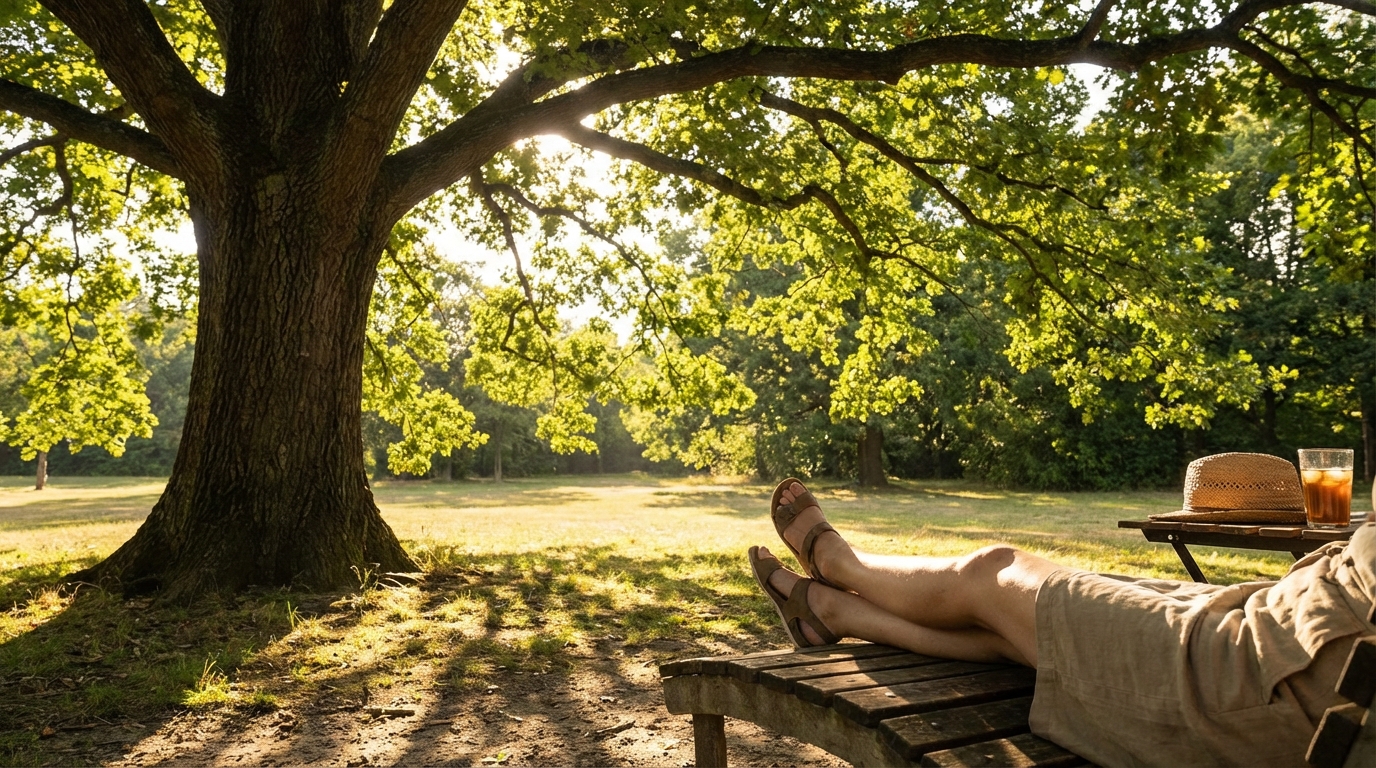
Spending time outdoors can be enjoyable and healthy, but heat exposure can quickly turn a pleasant day into an uncomfortable or even risky experience. Shade plays a major role in reducing how much heat the body absorbs, especially during warm and sunny conditions. By limiting direct sunlight and changing the surrounding environment, shaded areas help people stay cooler, safer, and more comfortable outside. Understanding how shade works makes it easier to plan outdoor activities and spaces that support comfort across different climates and seasons.
Understanding Heat Exposure Outdoors
Heat exposure outdoors comes from several sources, not just hot air. The sun delivers radiant energy that directly warms skin and clothing, while nearby surfaces like pavement and buildings can reflect and store heat. Wind, humidity, and personal activity level also affect how hot a person feels. When these factors combine, the body can struggle to cool itself, especially during long periods outside.
Shade reduces heat exposure by interrupting some of these processes. While it does not lower the outdoor air temperature by itself, it can significantly lower the amount of heat reaching the body. This difference often determines whether outdoor time feels manageable or overwhelming, particularly during peak sun hours.
Sunlight and Radiant Heat
Direct sunlight is one of the strongest contributors to outdoor heat stress. Solar radiation travels straight from the sun to exposed skin and surfaces, raising their temperature quickly. Dark clothing and materials absorb even more of this energy, increasing the heat load on the body.
Shade blocks or filters this radiation before it reaches people. By cutting off direct sun, shaded areas can feel many degrees cooler than nearby sunny spots. This reduction in radiant heat allows the body’s natural cooling systems, like sweating, to work more effectively.
Air Temperature Versus Heat Index
Air temperature alone does not fully describe how hot it feels outdoors. The heat index combines temperature with humidity to show how the body experiences heat. High humidity slows the evaporation of sweat, making cooling harder even at moderate temperatures.
Shade does not change humidity, but it can lower the overall heat load by reducing radiant heat. In shaded areas, the heat index effectively drops because the body is not absorbing as much energy from the sun. This difference can be especially noticeable during humid summer days.
How Shade Works to Reduce Heat
Shade works by changing the flow of energy between the sun, the environment, and the human body. It interrupts direct sunlight, limits surface heating, and can even influence airflow in certain settings. Together, these effects create a cooler and more stable microenvironment.
The cooling effect of shade can vary depending on its size, density, and placement. A small patch of shade from a narrow object offers limited relief, while broad, continuous shade can significantly reduce overall heat exposure for longer periods.
Blocking Direct Solar Radiation
The most direct benefit of shade is its ability to block solar radiation. Trees, umbrellas, awnings, and roofs all act as barriers that prevent sunlight from hitting people and surfaces below. This block reduces skin temperature and slows the heating of clothing.
By stopping radiation at its source, shade prevents the body from having to manage that extra heat. This makes physical movement easier and reduces fatigue during outdoor activities. Over time, this protection can make a noticeable difference in comfort and endurance.
Creating Cooler Microclimates
Shaded areas often develop their own microclimates that feel cooler than surrounding spaces. Ground surfaces under shade stay cooler, which reduces the amount of heat they release back into the air. This effect is especially important over concrete and asphalt.
In some settings, shade also works with airflow to improve cooling. When shade is paired with a light breeze, the body can release heat more efficiently. These combined effects explain why shaded parks and walkways often feel much more comfortable than open areas nearby.
Types of Shade Found Outdoors
Outdoor shade comes in many forms, both natural and built. Each type offers different levels of protection and suits different environments and activities. Understanding these options helps people choose or create shade that meets their specific needs.
The effectiveness of shade depends on factors such as coverage area, material, and movement of the sun throughout the day. Some types of shade are fixed, while others can be adjusted or moved to follow changing conditions.
Natural Shade from Trees and Plants
Trees are one of the most effective and comfortable sources of outdoor shade. Their leaves block sunlight while allowing air to pass through, which helps maintain cooling airflow. Large trees can shade wide areas, including sidewalks, yards, and seating spaces.
Plants and vines also contribute to shading when grown on trellises or walls. In addition to blocking sunlight, vegetation cools the air through evaporation from leaves. This combination of shade and natural cooling makes green spaces especially pleasant in hot weather.
Built Shade Structures
Built shade includes structures like pergolas, pavilions, awnings, umbrellas, and shade sails. These options can be placed where natural shade is limited or unavailable. Many are designed to provide consistent coverage throughout the day.
Materials used in built shade affect how much heat is blocked. Dense fabrics and solid roofs provide strong protection from the sun, while lighter materials may allow some light through. Choosing the right structure depends on the balance between light, airflow, and sun protection.
Health Benefits of Staying in the Shade
Shade supports health by reducing the strain heat places on the body. Prolonged heat exposure can lead to dehydration, exhaustion, and more serious heat-related illnesses. Shaded areas lower these risks by helping the body maintain a safer temperature.
Spending time in the shade is especially important for children, older adults, and people with certain medical conditions. These groups often have a harder time regulating body temperature, making shade a key protective factor during outdoor activities.
Reducing the Risk of Heat Illness
Heat exhaustion and heat stroke occur when the body cannot release heat fast enough. Symptoms may include dizziness, nausea, weakness, and confusion. Shade slows the buildup of body heat, lowering the chance that these conditions will develop.
By providing a cooler place to rest, shade allows heart rate and body temperature to stabilize. Even short breaks in shaded areas can help prevent minor heat stress from becoming a serious problem. This is why shaded rest areas are important in parks and outdoor work settings.
Protecting Skin from Sun Exposure
Ultraviolet radiation from the sun can damage skin, leading to sunburn and long-term health risks. Shade reduces direct exposure to these rays, offering an added layer of protection. While shade does not block all ultraviolet radiation, it significantly lowers overall exposure.
Combining shade with protective clothing and sunscreen improves skin safety even more. Shaded areas make it easier to stay covered and comfortable without relying on constant sun protection measures. This benefit adds to the overall value of shade in outdoor environments.
Comfort and Performance in Outdoor Activities
Comfort strongly affects how long and how well people can perform outdoor tasks. Whether the activity involves work, exercise, or relaxation, heat can limit focus and endurance. Shade helps maintain comfort by reducing physical strain.
In shaded conditions, people often feel less tired and more willing to stay active. This can improve productivity and enjoyment, especially during warm seasons when outdoor participation might otherwise decline.
Physical Activity and Exercise
Exercise raises body temperature, making heat management even more important. Running, walking, or playing sports in direct sun can quickly lead to overheating. Shade lowers the baseline heat load, allowing the body to handle exertion more safely.
Shaded trails, fields, and rest areas support longer and more consistent activity. Athletes and casual participants alike benefit from reduced recovery time and less discomfort. This encourages healthier outdoor habits throughout the year.
Mental Comfort and Focus
Heat does not only affect the body; it also influences mood and concentration. High temperatures can cause irritability and reduce the ability to focus on tasks. Shaded environments tend to feel calmer and more inviting.
By reducing physical discomfort, shade supports mental clarity. This is important for activities like studying outdoors, supervising children, or performing detailed work. Comfortable conditions help people stay engaged and alert.
Designing Effective Shaded Outdoor Spaces
Thoughtful design improves how well shade reduces heat exposure. Placement, size, and materials all influence the effectiveness of shaded areas. Good design considers how people move and gather throughout the space.
Effective shading also adapts to seasonal changes. In some climates, adjustable or partial shade allows for warmth during cooler months while still providing protection during hot periods.
Orientation and Timing of Shade
The sun’s position changes throughout the day, affecting where shade falls. Morning and afternoon sun come from lower angles, which can slip under poorly placed shade structures. Designers often study sun paths to ensure consistent coverage.
Shade that works well at midday may not be as helpful later in the day. Using overlapping shade sources or extended coverage helps maintain comfort over longer periods. This approach is common in well-designed parks and outdoor seating areas.
Materials and Surface Choices
Materials used in shaded spaces affect how much heat is absorbed or reflected. Light-colored surfaces reflect more sunlight, staying cooler than dark ones. This choice can reduce the amount of heat radiating up toward people.
The following types of materials are often used to improve comfort in shaded areas:
- Light-colored paving that reflects sunlight rather than absorbing it
- Breathable fabrics that block sun while allowing airflow
- Natural materials like wood that stay cooler than metal
- Vegetation-covered surfaces that reduce reflected heat
Using these materials together with shade structures enhances cooling effects. The overall goal is to limit heat buildup from both above and below, creating a more balanced environment.
Shade in Urban Environments
Cities often experience higher temperatures than surrounding areas due to dense buildings and paved surfaces. This effect, sometimes called the urban heat island, increases the importance of shade. Strategic shading helps make urban spaces more livable.
Urban shade benefits large numbers of people by improving comfort in shared spaces. Streets, transit stops, and public plazas all become more usable when shade is available.
Streets and Sidewalks
Shaded streets encourage walking and reduce heat stress for pedestrians. Trees along sidewalks provide moving shade throughout the day and improve air quality at the same time. In areas without trees, awnings and overhangs can serve a similar purpose.
Comfortable walking conditions support physical activity and reduce reliance on vehicles. Shade also helps protect pavement from extreme heat, which can extend its lifespan and reduce maintenance needs.
Parks and Public Spaces
Parks rely heavily on shade to remain usable during warm weather. Shaded seating areas, playgrounds, and picnic spots allow visitors to rest and socialize comfortably. Without shade, these spaces may sit empty during the hottest parts of the day.
Well-shaded parks support longer visits and a wider range of activities. They become gathering places for communities, even during summer heat. This social benefit adds to the physical comfort shade provides.
Shade for Different Outdoor Activities
Different activities place different demands on the body, and shade helps meet those needs. From work to recreation, shade supports safety and efficiency in many settings. Tailoring shade to the activity improves its effectiveness.
Understanding how shade interacts with movement, equipment, and rest periods helps create better outdoor environments. This approach is useful in both personal and public spaces.
Outdoor Work and Labor
People who work outdoors face long hours of heat exposure. Construction, landscaping, and agriculture often involve physical effort under the sun. Shade provides essential relief during breaks and task transitions.
Shaded rest areas help workers cool down and rehydrate. This reduces fatigue and lowers the risk of heat-related injuries. Many safety guidelines recommend shade as a basic protective measure for outdoor labor.
Recreation and Leisure
Leisure activities like picnics, sports, and festivals benefit greatly from shade. Comfortable conditions allow people to relax and enjoy activities without constant concern about the heat. Shade also supports families with children who need frequent cooling breaks.
Portable shade options, such as umbrellas or pop-up canopies, make it easier to adapt to changing conditions. These tools extend the usability of beaches, fields, and open spaces throughout the day.
Limitations and Considerations When Using Shade
While shade is highly effective, it is not a complete solution to heat exposure. Other factors like humidity, air movement, and personal hydration still matter. Understanding these limits helps set realistic expectations.
Using shade as part of a broader heat management strategy leads to better outcomes. Combining shade with water access, appropriate clothing, and rest provides the most protection.
Humidity and Airflow
In very humid conditions, shade alone may not feel as cooling as expected. Sweat evaporates more slowly, reducing the body’s ability to cool itself. Without airflow, shaded areas can still feel warm.
Designs that allow breezes to pass through shaded spaces improve comfort. Open-sided structures and tree canopies often perform better than fully enclosed shelters. Air movement works with shade to enhance cooling.
Safety and Visibility
Shade structures and dense vegetation must be placed carefully to maintain visibility and safety. Poorly lit or hidden shaded areas can create security concerns in public spaces. Thoughtful design balances comfort with clear sightlines.
Regular maintenance is also important. Damaged structures or overgrown plants can reduce the effectiveness of shade or create hazards. Proper care ensures that shaded areas remain safe and inviting over time.