
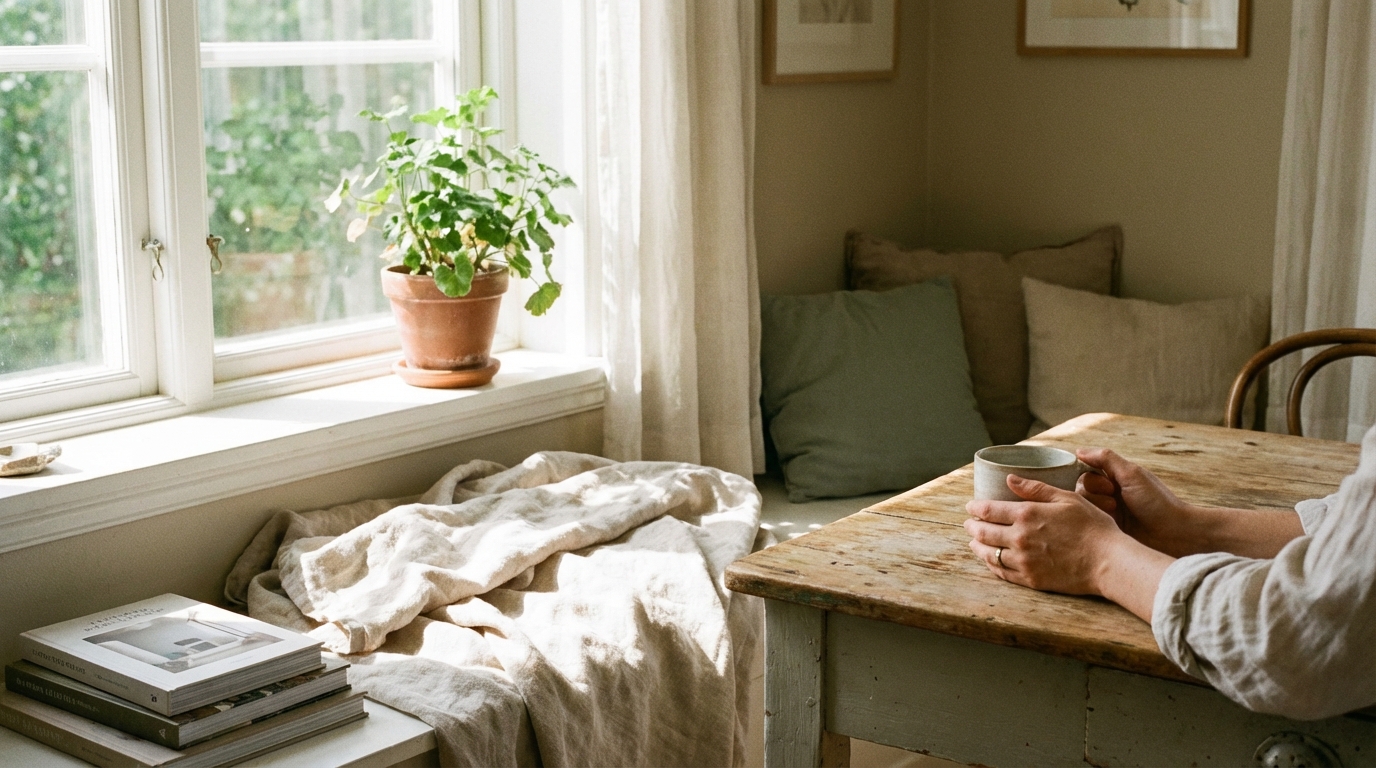
Comfort at home is shaped by many small choices made every day. These choices often seem simple, but together they influence how a space feels, sounds, smells, and supports daily life. When routines support comfort, a home can feel calmer, healthier, and easier to enjoy without major renovations or expensive upgrades.
Daily habits affect temperature, air quality, lighting, noise, and organization. Over time, these habits shape how the body and mind respond to a space. Understanding how small actions add up can help create a home that feels more welcoming and balanced throughout the year.
Daily Routines and Overall Home Comfort
Home comfort is not only about furniture or décor; it is closely tied to everyday routines. Simple habits like opening curtains in the morning or resetting a room at night influence how a space feels from one day to the next. These routines create consistency, which helps the home feel predictable and supportive.
When daily habits are repeated, they reduce the effort needed to maintain comfort. Instead of reacting to discomfort, routines help prevent it from building up. Over time, this steady approach can make a home feel naturally comfortable without constant adjustments.
Consistency and Comfort
Consistency plays a key role in how comfortable a home feels. When lighting, temperature, and noise levels follow predictable patterns, the body adjusts more easily. This can reduce stress and make it easier to relax or focus.
Simple actions like turning on lamps at the same time each evening or keeping walkways clear every day support this sense of order. These habits may seem small, but they help create an environment that feels stable and calm.
Air Quality Habits That Improve How a Home Feels
Air quality strongly affects comfort, even when it is not noticed right away. Fresh, clean air can make a room feel lighter and easier to breathe in. Daily habits that support airflow and cleanliness help reduce stale odors and airborne particles.
Improving air quality does not require complex systems. Many effective habits involve simple actions repeated consistently. Over time, these actions help maintain a healthier indoor environment.
Ventilation Through Daily Actions
Opening windows for short periods allows fresh air to replace stale indoor air. Even a few minutes can make a difference, especially in kitchens and bathrooms. This habit helps control moisture and odors that can build up during daily activities.
Ventilation is especially helpful during activities like cooking or cleaning. Allowing air to circulate prevents lingering smells and supports a fresher indoor atmosphere. Over time, this routine can make rooms feel more pleasant and balanced.
Clean Surfaces and Dust Control
Dust and allergens can affect how comfortable a home feels, especially for people sensitive to air quality. Regular light cleaning, such as wiping surfaces or sweeping floors, helps reduce buildup. These small actions are easier to maintain than occasional deep cleaning.
Keeping surfaces clear also improves airflow around furniture and fixtures. This supports better circulation and helps rooms feel less heavy or stuffy. Over time, consistent dust control contributes to a cleaner and more comfortable home environment.
Temperature Comfort Through Simple Habits
Temperature plays a major role in physical comfort at home. Daily habits influence how warm or cool a space feels throughout the day. Small adjustments made regularly can help maintain a steady and comfortable indoor climate.
Instead of relying only on heating or cooling systems, habits can support natural temperature balance. These actions reduce sudden changes and help the home feel more stable.
Managing Heat and Cool Air
Closing curtains during hot afternoons and opening them during cooler times helps control indoor temperature. This simple habit reduces heat gain and keeps rooms cooler without extra effort. In colder months, letting sunlight in can naturally warm living spaces.
Adjusting fans or vents as part of a daily routine also supports comfort. Directing airflow where it is needed most helps maintain even temperatures throughout the home.
Seasonal Awareness Indoors
Comfort habits often change with the seasons. Paying attention to outdoor conditions helps guide indoor adjustments. For example, adding layers indoors during cooler mornings can reduce the need for sudden temperature changes.
Seasonal habits encourage a more flexible approach to comfort. By adapting routines, the home stays comfortable even as weather patterns shift.
Lighting Habits That Shape Mood and Comfort
Lighting affects how a space feels emotionally and physically. Daily lighting habits influence mood, focus, and relaxation. Simple changes in how lights are used can make rooms feel warmer and more inviting.
Balancing natural and artificial light is key to comfort. Habits that support this balance help create spaces suited to different activities throughout the day.
Using Natural Light Effectively
Opening blinds or curtains during daylight hours allows natural light to fill a room. This habit can make spaces feel larger and more open. Natural light also supports daily rhythms, helping people feel more awake during the day.
Closing window coverings in the evening creates a sense of privacy and coziness. This simple routine signals a shift from active daytime use to a calmer nighttime atmosphere.
Layered Lighting for Daily Activities
Using multiple light sources instead of one overhead light improves comfort. Table lamps, floor lamps, and task lighting can be adjusted to match activities like reading or relaxing. This approach reduces glare and harsh shadows.
Developing a habit of adjusting lights based on the time of day supports both comfort and energy use. Over time, this creates a more flexible and pleasant lighting environment.
Sound Management Through Everyday Choices
Sound levels strongly influence how comfortable a home feels. Excess noise can create tension, while balanced sound supports relaxation. Daily habits help manage noise without major changes.
Being aware of how sound travels through a space allows for small adjustments. These actions help create a calmer and more controlled indoor environment.
Reducing Unwanted Noise
Closing doors or using soft furnishings can help absorb sound. Habits like placing rugs or curtains strategically reduce echoes and outside noise. These changes improve how rooms feel without altering their layout.
Lowering background noise during rest periods supports better relaxation. Simple actions, such as turning off unused devices, contribute to a quieter home.
Positive Sound Choices
Sound can also be used to enhance comfort. Playing soft background music or nature sounds can create a soothing atmosphere. Making this part of a routine helps signal relaxation or focus time.
Choosing sounds intentionally helps shape how a space feels. Over time, these habits support emotional comfort and a sense of control over the environment.
Organization Habits That Reduce Stress
Clutter can affect comfort by making spaces feel crowded or overwhelming. Daily organization habits help maintain order and make rooms easier to use. These habits reduce the mental effort needed to navigate a space.
Organization does not require perfection. Simple routines that keep items in their place support comfort and efficiency.
Resetting Spaces Each Day
Taking a few minutes to reset rooms at the end of the day helps maintain comfort. Returning items to their usual spots creates a sense of readiness for the next day. This habit prevents clutter from building up.
Daily resets make cleaning easier and faster. Over time, this routine helps the home feel consistently organized and calm.
Clear Pathways and Surfaces
Keeping walkways and surfaces clear improves both safety and comfort. This habit makes rooms feel more open and easier to move through. Clear spaces also highlight the home’s layout and design.
Regularly checking for items that do not belong in a room helps maintain order. This simple awareness supports a more comfortable living environment.
Comfort Through Cleanliness Habits
Cleanliness affects how a home looks, smells, and feels. Daily cleaning habits help maintain comfort without requiring long cleaning sessions. These small actions prevent dirt and mess from becoming overwhelming.
When cleanliness is part of a routine, it becomes easier to manage. The home feels more inviting and easier to enjoy.
Small Daily Cleaning Actions
Wiping counters, washing dishes, or sweeping high-traffic areas each day keeps spaces fresh. These actions take little time but have a noticeable impact. They also reduce the need for deep cleaning later.
Consistency is key to making these habits effective. Over time, the home stays cleaner with less effort.
Fresh Scents and Comfort
Smell plays a powerful role in comfort. Simple habits like airing out rooms or promptly handling trash help prevent unpleasant odors. Fresh scents make spaces feel cleaner and more relaxing.
Using mild, familiar scents can also support comfort. When used sparingly, they add to the home’s welcoming atmosphere.
Daily Kitchen Habits That Improve Comfort
The kitchen is often a central part of the home. Daily habits in this space influence comfort in nearby rooms as well. Keeping the kitchen functional supports smoother daily routines.
Small actions help the kitchen stay organized and pleasant. These habits make cooking and cleaning easier and less stressful.
Managing Mess and Odors
Cleaning as meals are prepared reduces buildup and clutter. This habit keeps surfaces usable and prevents mess from spreading. It also makes the space more enjoyable to use.
Promptly handling food waste and cleaning spills helps control odors. Over time, these habits support a fresher and more comfortable kitchen.
Functional Layout Awareness
Returning tools and ingredients to their usual places supports efficiency. This habit reduces frustration and saves time during daily tasks. A functional layout improves comfort by making the space easier to use.
Regularly checking for items that are rarely used helps keep storage areas manageable. This awareness supports long-term comfort and organization.
Bathroom Habits That Support Daily Comfort
Bathrooms play a key role in daily routines. Comfort in this space affects how mornings and evenings feel. Simple habits help maintain cleanliness and freshness.
Regular attention to moisture and cleanliness keeps bathrooms comfortable. These habits also support the overall feel of the home.
Moisture Control and Freshness
Using ventilation during and after showers helps reduce humidity. This habit prevents lingering moisture and keeps the air feeling fresh. It also protects surfaces from dampness.
Wiping down wet areas after use is a small action with lasting benefits. Over time, this habit supports a cleaner and more comfortable bathroom.
Simple Organization Routines
Keeping daily-use items organized makes the bathroom easier to navigate. Returning items to their place after use prevents clutter. This habit supports a calm and functional space.
Regularly checking supplies avoids last-minute stress. These routines help maintain comfort and ease in daily life.
Bedroom Habits That Improve Rest and Comfort
The bedroom is closely linked to rest and recovery. Daily habits in this space influence how comfortable it feels at night. Simple routines support better relaxation.
Comfort-focused habits help create a peaceful atmosphere. Over time, these actions make the bedroom a reliable place for rest.
Bed and Linen Care
Making the bed each morning creates a sense of order. This habit makes the room feel more put together and inviting. Clean, well-arranged bedding supports comfort.
Regularly airing out bedding helps maintain freshness. These small actions improve how the bedroom feels day after day.
Evening Wind-Down Routines
Lowering lights and reducing noise in the evening signals time to relax. This habit helps the body prepare for rest. A calmer environment supports comfort and sleep quality.
Keeping electronics use consistent in the evening reduces stimulation. Over time, these routines shape a more restful bedroom environment.
Living Room Habits for Everyday Comfort
The living room often serves multiple purposes. Daily habits help balance comfort for relaxation, conversation, and activity. Small adjustments keep the space flexible.
Maintaining comfort in shared spaces supports positive daily interactions. Simple routines help the room adapt to changing needs.
Furniture Arrangement Awareness
Keeping furniture arranged for easy movement improves comfort. This habit prevents the space from feeling crowded or awkward. Clear paths make the room more welcoming.
Occasionally adjusting seating based on use helps maintain comfort. These small changes support better use of the space.
Daily Tidying and Resetting
Putting away items after use keeps the living room ready for the next activity. This habit reduces visual clutter and stress. A tidy space feels more comfortable to spend time in.
Consistent resetting supports a calm atmosphere. Over time, this routine helps the living room remain a pleasant part of the home.
How Habit Awareness Shapes Long-Term Comfort
Comfort improves when habits are chosen with awareness. Noticing what makes a space feel better helps guide daily actions. This awareness allows small changes to have a lasting impact.
Over time, comfort-focused habits become automatic. The home begins to support daily life with less effort and adjustment.
Adapting Habits to Changing Needs
Comfort needs change over time due to lifestyle, health, or season. Paying attention to these changes helps habits stay effective. Adjusting routines keeps the home responsive and supportive.
Flexibility is an important part of comfort. Habits that can adapt help maintain balance as circumstances shift.
Building Comfort Through Small Choices
Everyday choices shape how a home feels. Small habits, repeated consistently, create a strong foundation for comfort. These actions work together to support well-being.
When comfort is supported by habits, the home becomes easier to enjoy. Simple routines continue to shape a space that feels balanced, welcoming, and supportive throughout daily life.