
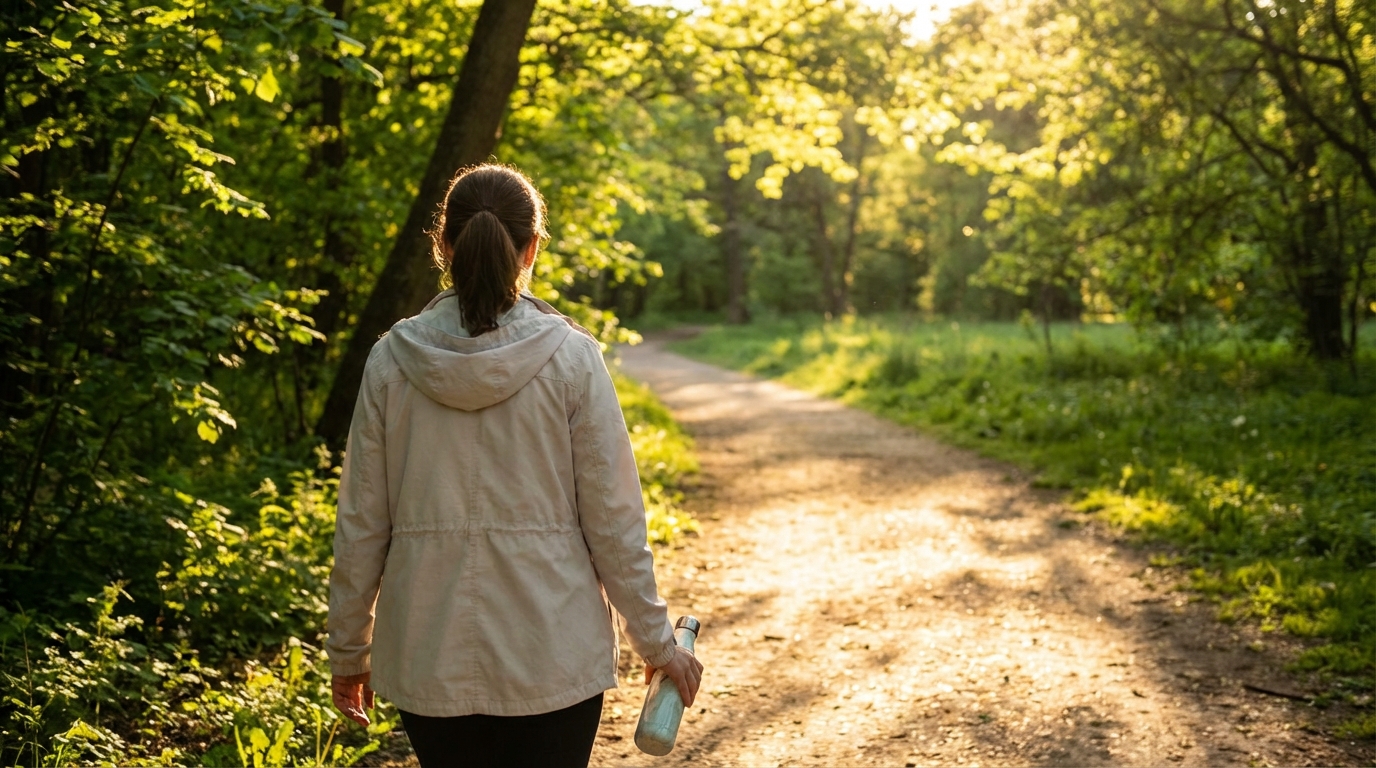
Spending time outdoors does not require big trips, special gear, or dramatic lifestyle changes. Simple outdoor habits can fit into daily routines and quietly support better health over time. From stepping outside for a few minutes of daylight to choosing a walking route with trees, small choices add up. Understanding how these habits work can make it easier to use them with purpose.
Outdoor time supports the body and mind in ways that feel natural and low-pressure. Fresh air, natural light, and gentle movement work together to influence sleep, mood, and energy. These effects are not limited to athletes or nature experts. Anyone can benefit by learning how to spend a little more time outside in easy, repeatable ways.
Why Outdoor Habits Matter for Overall Health
Outdoor habits matter because the human body responds strongly to natural cues like sunlight, temperature, and open space. These cues help regulate systems related to sleep, hormones, and movement. When daily life stays indoors for long stretches, these signals become weaker. Stepping outside helps restore them without complicated planning.
Health improvements from outdoor habits often happen slowly and steadily. A short walk outside may not feel dramatic, but repeated exposure can support heart health, muscle strength, and mental balance. Outdoor time also tends to encourage light activity instead of long periods of sitting. Over weeks and months, these small changes support long-term well-being.
Sunlight Exposure and Daily Rhythm
Natural light plays a key role in setting the body’s internal clock. This clock, also called the circadian rhythm, helps control sleep, alertness, and digestion. Indoor lighting is usually not bright enough to send a strong signal to the brain. Even brief outdoor light exposure can help reset this rhythm.
Regular contact with daylight can make it easier to fall asleep at night and wake up feeling rested. This effect does not require long sunbathing sessions. Simple habits like opening curtains early or stepping outside during daylight hours can support healthier sleep patterns.
Morning Light and Energy Levels
Morning sunlight is especially helpful for signaling the start of the day to the brain. Exposure to light in the first part of the day can increase alertness and improve focus. It may also help reduce grogginess that lingers after waking. These effects support productivity at school, work, or home.
A short outdoor routine in the morning can be very simple. Standing on a porch, walking a pet, or stretching near a window with sunlight all count. Consistency matters more than duration, making this habit easy to repeat.
Safe Sun Habits
Sunlight has benefits, but balance is important. Too much direct sun can increase the risk of skin damage, especially during peak hours. Safe habits allow people to gain benefits while reducing risks. Shade, timing, and protective clothing all play a role.
Outdoor time does not need to happen at midday. Early morning and late afternoon often provide gentler light. These times can still support circadian health while being more comfortable and safer for the skin.
Movement Becomes Easier Outside
Outdoor environments naturally encourage movement. Uneven ground, open space, and visual variety make walking and standing more engaging. This can make physical activity feel less like a chore and more like a normal part of the day. Even low-intensity movement supports circulation and joint health.
Being outside also reduces some of the mental barriers to exercise. There is less focus on equipment or performance and more focus on exploration. This shift can help people move more often and for longer periods without planning formal workouts.
Walking as a Daily Outdoor Habit
Walking is one of the simplest ways to combine outdoor time and physical activity. It supports heart health, balance, and muscle endurance. Walking outdoors adds changing scenery, which can reduce boredom and increase motivation. This makes it easier to turn walking into a daily habit.
Short walks still count. A ten-minute walk after a meal or during a break can support digestion and blood sugar control. Over time, these short walks can add up to meaningful health benefits.
Gardening and Light Yard Work
Gardening and yard work offer gentle movement with a clear purpose. Activities like planting, watering, or pulling weeds involve bending, lifting, and reaching. These movements support flexibility and strength without feeling like structured exercise.
Spending time with plants can also improve mood and attention. Gardening connects people to seasonal changes and natural growth. This connection can make outdoor time feel rewarding and calming.
Mental Health Benefits of Being Outdoors
Outdoor environments can reduce stress and support emotional balance. Natural settings often feel less demanding than indoor spaces filled with screens and noise. This change in environment can lower tension and slow racing thoughts. Even brief outdoor breaks can create a sense of relief.
Time outside also supports positive mood by encouraging movement and exposure to light. These factors influence brain chemicals related to happiness and calm. Over time, regular outdoor habits can support emotional resilience.
Stress Reduction Through Nature Exposure
Nature has a calming effect on the nervous system. Green spaces, water, and open skies can help lower heart rate and muscle tension. This response helps the body shift out of constant alert mode. Stress reduction does not require wilderness access.
Parks, tree-lined streets, and gardens can offer similar benefits. Even looking at natural elements while outside can help. Regular exposure trains the body to relax more easily.
Attention and Mental Clarity
Outdoor time can improve attention and mental clarity. Natural environments provide gentle stimulation that allows the brain to rest from intense focus. This can reduce mental fatigue and improve concentration afterward. Students and workers may notice better focus after outdoor breaks.
Short outdoor pauses between tasks can refresh the mind. This makes it easier to return to responsibilities with clearer thinking. Over time, this habit supports better learning and decision-making.
Social Connection Through Outdoor Activities
Outdoor habits often create opportunities for social interaction. Shared outdoor spaces make casual conversation more likely. Walking with a friend, greeting neighbors, or joining group activities builds connection. Social ties support emotional health and reduce feelings of isolation.
Outdoor settings can also lower social pressure. Activities like walking or sitting in a park allow conversation to flow naturally. This can make social interaction feel more comfortable and accessible.
Simple Outdoor Habits That Fit Any Schedule
Many outdoor habits require very little time and can fit into busy schedules. The goal is not to add stress but to replace small indoor moments with outdoor ones. Consistency matters more than duration. Simple habits are easier to repeat.
The following examples show how small changes can increase outdoor time without major planning.
- Stepping outside for a few minutes after waking
- Taking phone calls while walking outdoors
- Eating one meal or snack outside when weather allows
- Parking farther away and walking the rest of the way
- Spending breaks in a nearby outdoor space
Each of these habits can stand alone or combine with others. The key is choosing options that feel realistic. When outdoor time fits naturally into the day, it becomes easier to maintain over time.
Nature Exposure and Physical Health
Being around natural elements can influence physical health in subtle ways. Exposure to plants and fresh air can support immune function. Outdoor environments may also reduce exposure to indoor pollutants. These factors contribute to overall wellness.
Natural settings often encourage slower breathing and relaxed posture. This can support heart health and reduce physical tension. Over time, these small physical responses add up.
Building Outdoor Habits That Last
Long-term habits depend on simplicity and consistency. Outdoor routines work best when they are easy to start and repeat. Trying to do too much at once can lead to frustration. Small steps create steady progress.
Habits also benefit from flexibility. Weather, schedules, and energy levels change. Adapting outdoor routines helps keep them going year-round.
Starting With Micro-Habits
Micro-habits are very small actions that require little effort. Examples include stepping outside for one minute or walking to the end of the block. These actions lower resistance and build confidence. Over time, micro-habits often grow naturally.
Success with small habits encourages repetition. This creates a positive cycle that supports long-term change. The focus stays on showing up rather than doing more.
Using Cues and Routines
Cues help trigger outdoor habits without extra thinking. Linking outdoor time to existing routines makes it easier to remember. For example, stepping outside after lunch or before dinner creates a clear pattern. The habit becomes part of the day.
Visual reminders can also help. Keeping shoes by the door or placing a chair outside signals the opportunity to go outdoors. These cues reduce decision fatigue.
Outdoor Time in Different Environments
Outdoor habits look different depending on location. Urban, suburban, and rural areas each offer unique options. The benefits of outdoor time are not limited to large natural spaces. Creativity helps make the most of what is available.
Balconies, sidewalks, and small parks all count as outdoor spaces. The focus is on exposure to light, air, and movement rather than scenery alone.
Outdoor Habits in Urban Areas
Urban environments may have limited green space, but they still offer outdoor opportunities. Walking city blocks, visiting pocket parks, or sitting near windows with fresh air can help. Urban outdoor time often includes social energy, which can be uplifting.
Noise and crowds can be managed by choosing quieter times of day. Early mornings or evenings may feel calmer. These adjustments make urban outdoor habits more enjoyable.
Outdoor Habits in Rural Areas
Rural settings often provide more open space and natural views. Outdoor habits may include longer walks, farm chores, or time near water. These activities support physical strength and mental calm.
Distance and weather can be challenges in rural areas. Planning short, regular outdoor moments helps maintain consistency. Even stepping outside to observe nature can be beneficial.
Weather Awareness and Comfort
Weather plays a big role in outdoor habits. Comfort and safety depend on dressing appropriately and choosing suitable activities. Learning to adapt to different conditions expands outdoor opportunities. This reduces reliance on perfect weather.
Outdoor time does not require extreme conditions. Mild exposure to varied weather can build resilience. Preparation helps make outdoor habits enjoyable year-round.
Adjusting Habits for Cold or Heat
Cold weather can still support outdoor habits with proper clothing. Layers, gloves, and hats increase comfort. Shorter outdoor sessions may work better in extreme temperatures. These adjustments keep habits consistent.
In hot weather, shade and timing are important. Early morning or evening outdoor time reduces heat stress. Hydration and light clothing also support safety.
Outdoor Habits and Daily Routines
Integrating outdoor time into existing routines reduces the need for extra planning. Daily tasks can often be shifted outdoors with small changes. This approach makes outdoor habits feel natural. Over time, outdoor time becomes expected rather than optional.
Routine-based habits are easier to maintain during busy periods. They rely less on motivation and more on structure.
Commuting and Errands
Commuting offers built-in opportunities for outdoor time. Walking part of the route, cycling, or parking farther away increases exposure. Errands can include short walks between stops. These moments add up.
Outdoor commuting also supports alertness before and after work. Exposure to daylight helps mark transitions between activities. This supports mental clarity.
Meals and Breaks Outdoors
Eating or resting outdoors changes the pace of the day. Outdoor meals encourage slower eating and relaxation. Breaks outside reduce screen exposure. These changes support digestion and mental rest.
Even short outdoor breaks can reset energy levels. Sitting on a bench or standing in sunlight offers a mental pause. This makes it easier to return to tasks.
Tracking Progress Without Pressure
Tracking outdoor habits can increase awareness without creating stress. Simple methods like noting time spent outside or activities completed are enough. The goal is observation, not perfection. This keeps habits flexible.
Progress may show up as better sleep, improved mood, or increased energy. These changes often appear gradually. Paying attention to how the body feels helps reinforce the value of outdoor time.