
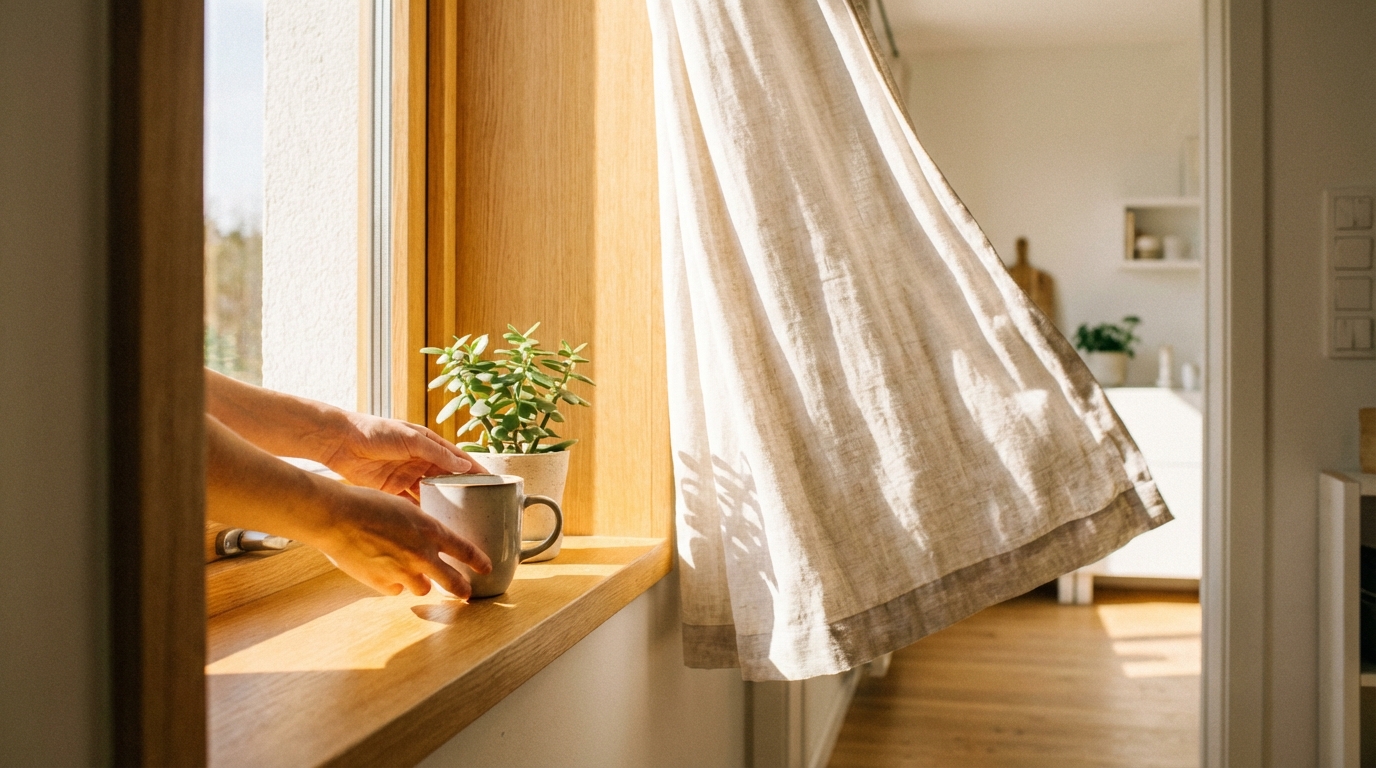
Comfort at home is shaped by small choices made every day. These choices often feel simple, but together they change how a space looks, sounds, smells, and feels. Small habits can turn a basic room into a place that supports rest, focus, and ease. Paying attention to these daily actions helps create a home that feels welcoming without major renovations or high costs.
Lighting Habits That Change How a Room Feels
Light affects mood, energy, and comfort more than many people realize. Small habits related to lighting can make rooms feel calmer, warmer, or more open. Adjusting how and when lights are used helps match the space to the time of day and the activity taking place. Over time, these changes can reduce eye strain and make the home feel more balanced.
Using Natural Light More Often
Opening curtains or blinds early in the day is a simple habit that brings in natural light. Sunlight helps rooms feel larger and more inviting while supporting a natural daily rhythm. Making it a routine to clear window areas of clutter also helps light spread evenly. Even on cloudy days, natural light improves comfort compared to artificial lighting alone.
Choosing Softer Light in the Evening
Switching to warmer, softer light in the evening signals the body to slow down. Lamps with lower brightness or warm bulbs reduce harsh shadows and glare. Turning off overhead lights and using smaller light sources helps create a calm atmosphere. This habit supports better rest and makes evenings feel more peaceful.
Air Quality and Freshness Habits
Clean, fresh air plays a key role in indoor comfort. Daily habits that support air quality help reduce odors, moisture, and stale feelings. These habits often take only minutes but have lasting effects on how a space feels. Better air makes breathing easier and improves overall well-being.
Letting Fresh Air In Regularly
Opening windows for a short time each day helps refresh indoor air. Even a few minutes can replace stale air with cleaner outdoor air. This habit is especially helpful after cooking or cleaning. Consistent airflow helps rooms feel lighter and less stuffy.
Managing Moisture and Humidity
Using exhaust fans during showers or cooking prevents excess moisture from building up. Wiping down wet surfaces after use also helps control humidity. These small actions reduce musty smells and support healthier air. Over time, managing moisture improves comfort and protects the home.
Temperature Control Through Daily Actions
Comfortable temperature is not only about thermostat settings. Daily habits influence how warm or cool a home feels. Simple actions help maintain steady temperatures and reduce sudden changes. These habits also support energy efficiency without extra effort.
Using Layers Instead of Constant Adjustments
Wearing light layers indoors allows quick comfort adjustments without changing the thermostat. Throw blankets and cozy sweaters add warmth when needed. This habit helps keep the home at a steady temperature. It also reduces the need for frequent heating or cooling changes.
Closing Doors and Curtains Strategically
Closing curtains during hot afternoons blocks excess heat from the sun. In cooler weather, closing doors to unused rooms helps keep warmth where it is needed. These small actions help rooms stay comfortable longer. Over time, they make temperature control feel more natural.
Noise Management as a Comfort Habit
Sound affects stress levels and focus inside the home. Small habits that manage noise can make spaces feel calmer. Reducing unwanted sounds supports relaxation and better sleep. These habits do not require silence, just balance.
Softening Sound With Textiles
Rugs, curtains, and cushions help absorb noise and reduce echo. Adding or adjusting these items changes how sound moves through a room. This habit makes conversations feel quieter and more comfortable. Soft surfaces also add visual warmth.
Creating Quiet Times of Day
Setting certain times for lower noise helps create routine. Turning off background noise during meals or evenings supports relaxation. This habit makes the home feel more predictable and calm. Over time, quiet moments become part of the comfort of the space.
Cleanliness as a Daily Comfort Practice
Clean spaces feel more comfortable and easier to use. Daily cleaning habits prevent mess from building up. These habits reduce stress by keeping surfaces ready for use. Comfort improves when the home feels cared for.
Small Daily Cleaning Tasks
Wiping counters and tables once a day keeps surfaces fresh. Taking a few minutes to sweep high-traffic areas prevents dirt from spreading. These habits take little time but make a big difference. The home feels lighter and more organized.
End-of-Day Reset Routines
Putting items back in place before bedtime prepares the home for the next day. This habit reduces morning stress and saves time. Even a five-minute reset improves comfort. The space feels calm and ready to use.
Organization Habits That Reduce Stress
Clutter affects how comfortable a space feels. Simple organization habits help keep items easy to find. These habits reduce visual noise and improve daily flow. Organized spaces support a sense of control and ease.
Giving Items Clear Homes
Assigning a specific spot for everyday items reduces mess. Keys, bags, and shoes are easier to manage when they always go in the same place. This habit saves time and lowers frustration. The home feels smoother to move through.
Regular Quick Decluttering
Spending a few minutes each week removing unused items keeps clutter from growing. This habit prevents overwhelming cleanups later. Spaces feel more open and comfortable. Regular decluttering supports long-term comfort.
Scent and Smell Awareness
Smell strongly influences how a home feels. Daily habits that manage scent help create a welcoming environment. Neutral or pleasant smells improve comfort without drawing attention. These habits support a clean and calm atmosphere.
Removing Odors at the Source
Taking out trash regularly prevents lingering smells. Cleaning spills right away stops odors from setting in. This habit keeps the home smelling fresh naturally. Addressing smells early improves overall comfort.
Using Gentle, Familiar Scents
Light scents from cooking, plants, or mild cleaners add warmth. Avoiding strong or artificial smells prevents headaches and discomfort. This habit helps maintain balance. A gentle scent makes a space feel lived-in and pleasant.
Furniture Use and Placement Habits
How furniture is used and arranged affects daily comfort. Small adjustments make spaces easier to move through. These habits improve posture and reduce strain. Comfortable furniture use supports long-term well-being.
Keeping Walkways Clear
Moving furniture slightly to open walkways improves flow. Clear paths reduce bumps and stress. This habit makes rooms feel larger and safer. Easy movement adds to everyday comfort.
Using Furniture as Intended
Sitting properly in chairs and using tables at the right height reduces body strain. Avoiding habits like working from beds supports better posture. This habit protects comfort over time. Furniture works best when used as designed.
Technology Habits That Support Comfort
Technology can improve comfort when used with care. Daily habits help prevent overload and distraction. Balanced use keeps technology helpful rather than stressful. These habits support a calmer home environment.
Reducing Screen Use in Rest Areas
Keeping screens out of bedrooms supports better rest. This habit reduces light and noise at night. Bedrooms feel more relaxing and focused on sleep. Over time, this improves comfort and routine.
Managing Cords and Devices
Keeping cords organized reduces visual clutter. Charging devices in specific spots prevents mess. This habit makes spaces look cleaner and feel calmer. Organized technology supports comfort and safety.
Textile Care and Daily Use
Textiles add softness and warmth to a home. Daily habits that care for fabrics improve comfort. Clean and well-maintained textiles feel better to use. These habits support a cozy atmosphere.
Regularly Washing High-Use Fabrics
Washing blankets, pillow covers, and throws keeps them fresh. Clean fabrics improve comfort and smell. This habit also supports hygiene. Soft, clean textiles invite relaxation.
Adjusting Textiles With the Seasons
Switching between lighter and heavier fabrics matches temperature changes. This habit keeps rooms comfortable year-round. Seasonal changes feel smoother and more natural. Textiles help the home adapt easily.
Entryway Habits That Set the Tone
The entryway shapes first impressions of comfort. Small habits here affect the rest of the home. Keeping this area tidy improves daily transitions. A calm entryway supports a calm home.
Managing Shoes and Outerwear
Removing shoes at the door keeps floors cleaner. Storing coats and bags neatly reduces clutter. This habit makes coming home feel organized. Clean entryways support overall comfort.
Simple Entryway Maintenance
Quickly sweeping or wiping the entry area keeps dirt from spreading. This habit protects other rooms. A clean entryway feels welcoming every day. Small actions here have a big impact.
Bedroom Habits That Improve Rest
The bedroom plays a key role in comfort and recovery. Daily habits here influence sleep quality. Simple routines support relaxation and ease. Comfortable bedrooms support better days.
Making the Bed Daily
Making the bed creates a sense of order. This habit makes the room feel more inviting. It also supports better use of the space. A neat bed improves comfort visually and emotionally.
Keeping Nightstands Clear
Limiting items on nightstands reduces visual noise. This habit supports calm before sleep. Clear surfaces make the room feel peaceful. Simplicity improves comfort at night.
Kitchen Habits That Support Ease
The kitchen is used often, so comfort matters here. Daily habits keep it functional and pleasant. Small actions prevent buildup of mess and stress. A comfortable kitchen supports daily routines.
Cleaning as Cooking Happens
Washing dishes and wiping surfaces during cooking saves time later. This habit keeps the kitchen ready to use. Clean spaces improve focus and enjoyment. Cooking feels easier and calmer.
Keeping Counters Manageable
Limiting items on counters creates workspace. This habit reduces clutter and frustration. Clear counters feel more comfortable. The kitchen becomes easier to move in.
Bathroom Habits That Add Comfort
Bathrooms benefit from small daily care habits. Clean and organized bathrooms feel more comfortable. These habits support hygiene and ease. Comfort improves when the space feels fresh.
Quick Daily Wipe-Downs
Wiping sinks and mirrors prevents buildup. This habit keeps surfaces clean with little effort. The bathroom stays pleasant to use. Small actions prevent bigger cleaning tasks.
Managing Towels and Mats
Hanging towels to dry prevents odors. Washing mats regularly keeps the floor fresh. This habit supports cleanliness and comfort. Dry, clean fabrics feel better to use.
Plants and Natural Elements
Natural elements improve indoor comfort. Daily habits help plants thrive and stay attractive. Greenery adds calm and softness to rooms. These habits connect the home to nature.
Simple Plant Care Routines
Watering and checking plants regularly keeps them healthy. This habit prevents mess and stress. Healthy plants improve air feel and mood. Care routines add quiet moments to the day.
Using Natural Materials Thoughtfully
Wood, stone, and natural fibers add warmth. Keeping these materials clean supports their look and feel. This habit maintains comfort without extra decoration. Natural textures make spaces feel grounded.
Maintenance Habits That Prevent Discomfort
Regular maintenance supports long-term comfort. Small daily or weekly habits prevent larger problems. These habits keep the home working smoothly. Comfort improves when systems run well.
Addressing Small Issues Early
Fixing minor problems like loose handles or squeaky doors prevents annoyance. This habit keeps the home functional. Small repairs support comfort and safety. Ignoring issues often leads to discomfort.
Routine Checks of Common Areas
Checking lights, vents, and appliances helps catch issues early. This habit supports smooth daily use. Functional spaces feel more comfortable. Regular checks reduce surprises.
Timing and Routine as Comfort Tools
When habits happen matters as much as what they are. Timing daily actions supports flow and ease. Predictable routines reduce stress. Comfort grows from steady patterns.
Morning Habits That Set the Day
Opening curtains and tidying small areas in the morning creates momentum. This habit makes the home feel ready. Mornings start with clarity and comfort. Small actions shape the rest of the day.
Evening Habits That Support Rest
Dimming lights and reducing noise in the evening signals rest. This habit helps the body relax. The home feels calm and supportive. Evening routines build comfort night after night.
Small home habits work best when they fit naturally into daily life. Comfort grows through steady, simple actions rather than big changes. Paying attention to how spaces are used helps guide better habits. Over time, these daily choices shape a home that feels easier to live in and more supportive of everyday needs.