
Spending time outside can improve health, reduce stress, and create meaningful experiences. Whether the setting is a neighborhood park, a wilderness trail, or a city waterfront, safety plays a key role in enjoying outdoor activities. Basic planning and awareness can reduce many common risks and help people respond well when something unexpected happens. Learning how to stay safe outdoors allows activities to remain relaxing instead of stressful.
Planning and Preparation Before Going Outside
Preparation is one of the most effective ways to stay safe outdoors. Many outdoor accidents happen because of poor planning, not because the activity itself is dangerous. Taking time to prepare helps people make better choices and avoid preventable problems. Even short outings benefit from basic planning.
Researching the Location
Knowing where an activity will take place is essential for safety. Researching trails, parks, or public areas helps people understand terrain, difficulty level, and possible hazards. Maps, official websites, and recent visitor reports can provide useful details. This information helps prevent getting lost or entering areas that exceed personal skill levels.
Checking Weather Conditions
Weather can change quickly and greatly affect outdoor safety. Checking forecasts before leaving helps people dress properly and avoid dangerous conditions such as storms or extreme heat. Weather apps and local alerts can provide real-time updates. Planning around weather conditions reduces the risk of exposure-related injuries.
Packing Essential Items
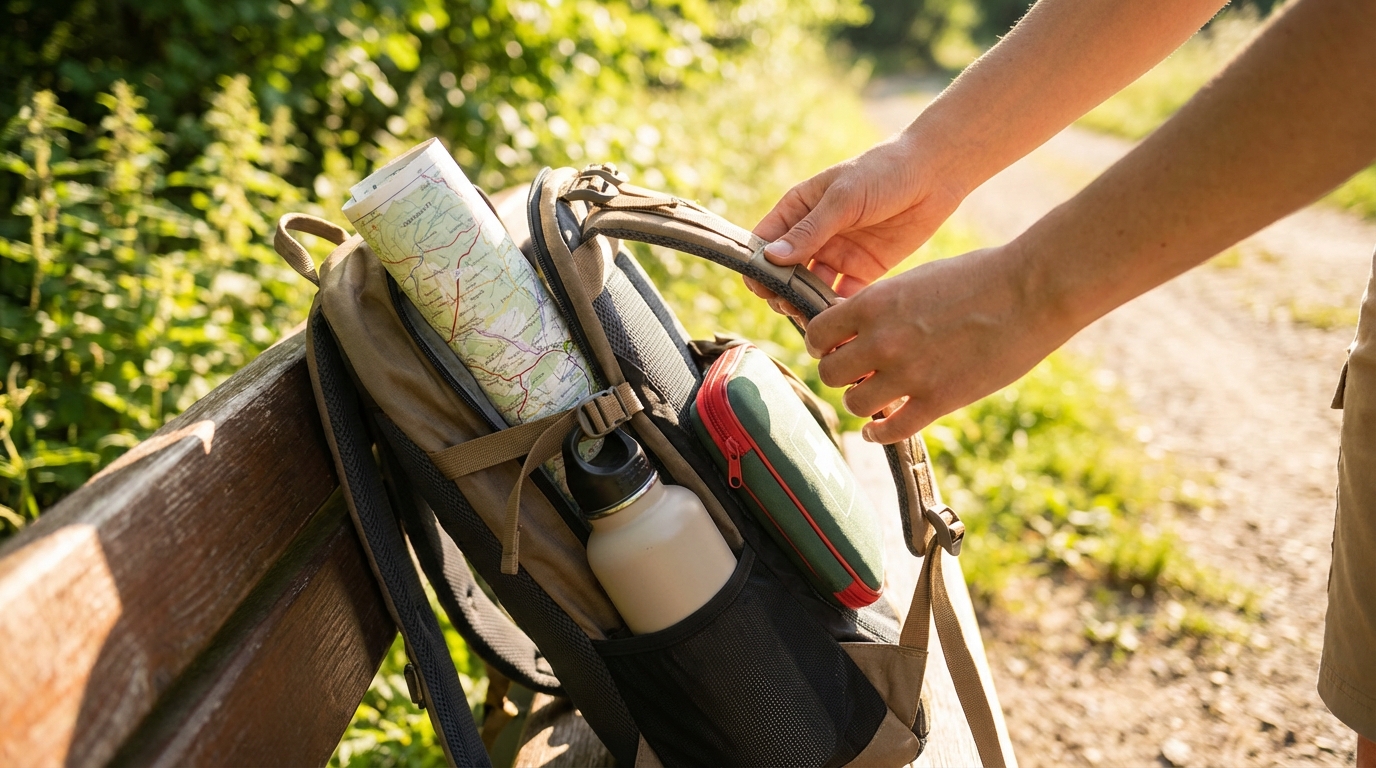
Bringing the right supplies increases comfort and safety during outdoor activities. Essentials depend on the location, duration, and type of activity. Packing thoughtfully helps people respond to minor problems before they become major ones.
- Water and snacks to maintain energy and hydration
- Weather-appropriate clothing and extra layers
- Basic first aid supplies for minor injuries
- Navigation tools such as maps or GPS devices
- Sun protection including hats and sunscreen
These items provide a basic safety net for most outdoor activities. Carrying even simple supplies can make a significant difference when plans change or delays occur. The goal is not to overpack, but to be prepared for common situations.
Personal Safety and Awareness Outdoors
Staying alert and aware of surroundings helps prevent many accidents. Personal safety outdoors involves paying attention to the environment and adjusting behavior as conditions change. Awareness supports better decision-making and faster responses to potential risks.
Maintaining Situational Awareness
Situational awareness means noticing what is happening around you at all times. This includes watching terrain, listening for changes in weather, and being aware of other people nearby. Avoiding distractions like constant phone use helps maintain focus. Awareness helps people spot hazards early and take action before problems escalate.
Traveling with Others
Spending time outdoors with others adds an extra layer of safety. Companions can provide assistance in case of injury or unexpected situations. Group activities also reduce the risk of getting lost or overwhelmed. When going alone, sharing plans with someone else is an important safety step.
Understanding Environmental Hazards
Outdoor environments contain natural hazards that vary by location and season. Understanding these risks helps people avoid dangerous situations. Respecting nature and adapting behavior to conditions supports safer outdoor experiences.
Sun and Heat Exposure
Excessive sun exposure can cause sunburn, dehydration, and heat-related illnesses. Wearing protective clothing and applying sunscreen reduce skin damage. Drinking water regularly helps maintain body temperature. Taking breaks in shaded areas allows the body to recover from heat stress.
Heat-related illness can develop quickly, especially during physical activity. Common warning signs include dizziness, nausea, and excessive sweating. Recognizing symptoms early allows people to rest and cool down before conditions worsen.
Cold Weather Risks
Cold environments pose risks such as hypothermia and frostbite. Dressing in layers helps regulate body temperature and manage moisture. Wind and wet conditions increase heat loss, making protection even more important. Staying dry and sheltered reduces the impact of cold weather.
Wildlife Awareness
Wildlife encounters can be exciting but also risky if handled incorrectly. Observing animals from a distance protects both people and wildlife. Feeding animals can lead to aggressive behavior and dependence on humans. Learning about local species helps visitors respond appropriately to encounters.
Water Safety During Outdoor Activities
Water-based activities add enjoyment but require special safety considerations. Lakes, rivers, oceans, and pools all present unique risks. Understanding water conditions and personal limits helps prevent accidents.
Swimming Safety
Swimming in natural bodies of water involves hazards such as currents, uneven bottoms, and changing depths. Swimming in designated areas and following posted rules reduces risk. Strong swimmers should still avoid overconfidence. Wearing life jackets in open water adds an extra safety measure.
Boating and Paddling Safety
Boating activities require attention to weather, equipment, and water conditions. Life jackets should be worn at all times, regardless of experience level. Knowing basic boating rules and signals improves safety for everyone on the water. Proper preparation helps prevent emergencies far from shore.
Staying Safe in Urban Outdoor Spaces
Outdoor safety also applies to urban environments such as parks, sidewalks, and public recreation areas. Cities present different risks than wilderness areas. Awareness and smart choices help reduce accidents and personal safety concerns.
Traffic and Transportation Awareness
Busy streets and shared paths require constant attention. Pedestrians and cyclists should follow traffic rules and use designated crossings. Wearing visible clothing increases safety, especially in low-light conditions. Staying alert reduces the risk of collisions.
Public Parks and Recreation Areas
Parks provide spaces for exercise and relaxation, but safety still matters. Staying in well-lit and populated areas helps reduce personal safety risks. Keeping personal belongings secure prevents theft. Following park rules supports a safer environment for all visitors.
Emergency Readiness and Response
Even with careful planning, emergencies can happen outdoors. Being prepared to respond helps reduce panic and improves outcomes. Basic emergency knowledge allows people to take action while waiting for help.
Basic First Aid Knowledge
Understanding basic first aid supports quick responses to injuries. Knowing how to clean wounds, treat minor burns, or manage sprains can prevent complications. Carrying a small first aid kit makes these skills useful in real situations. First aid training increases confidence and effectiveness during emergencies.
Communication and Emergency Contacts
Reliable communication is essential during outdoor activities. Carrying a charged phone and backup power source supports emergency calls. In remote areas, alternative communication devices may be necessary. Sharing emergency contacts and plans improves response times if help is needed.
Activity-Specific Safety Considerations
Different outdoor activities involve unique risks and safety needs. Understanding activity-specific guidelines helps participants stay safe while enjoying their chosen pursuits. Adjusting preparation based on activity reduces the likelihood of accidents.
Hiking and Walking Safety
Hiking requires attention to trail conditions and personal limits. Staying on marked trails reduces the risk of getting lost or injured. Proper footwear provides stability on uneven terrain. Monitoring energy levels helps prevent exhaustion during longer walks.
Cycling Safety Outdoors
Cycling outdoors requires protective gear and traffic awareness. Helmets reduce the risk of head injuries during falls or collisions. Following traffic laws helps cyclists share the road safely. Regular bike maintenance prevents mechanical issues during rides.
Camping Safety Basics
Camping involves extended time outdoors and exposure to changing conditions. Choosing safe campsites away from hazards like flooding areas improves safety. Proper food storage reduces wildlife encounters. Following fire safety rules prevents accidents and environmental damage.
Health and Hygiene While Outdoors
Maintaining health and hygiene supports safe outdoor experiences. Exposure to dirt, insects, and food risks can affect health if ignored. Simple practices reduce illness and discomfort.
Food and Water Safety
Safe food handling prevents illness during outdoor activities. Storing food at proper temperatures reduces bacterial growth. Drinking clean, treated water protects against waterborne diseases. Planning meals with safety in mind supports overall well-being.
Insect and Tick Awareness
Insects and ticks can carry diseases and cause irritation. Wearing long sleeves and using repellents reduces exposure. Checking skin and clothing after outdoor activities helps detect ticks early. Prompt removal reduces the risk of infection.
Outdoor Safety for Children and Pets
Children and pets need extra attention during outdoor activities. Their safety depends on supervision, preparation, and clear boundaries. Planning with their needs in mind reduces risks and improves enjoyment.
Keeping Children Safe Outdoors
Children may not recognize hazards as easily as adults. Close supervision helps prevent accidents near water, roads, or rough terrain. Teaching basic safety rules builds awareness over time. Proper gear and sun protection support their comfort and health.
Protecting Pets During Outdoor Activities
Pets face many of the same outdoor risks as people. Keeping pets on leashes prevents them from wandering into danger. Providing water and shade helps prevent overheating. Checking paws and fur after outings reduces injury and parasite risks.
Outdoor safety is built on awareness, preparation, and respect for the environment. Each activity and setting brings unique challenges that can be managed through thoughtful choices. Understanding risks and taking simple precautions allows outdoor time to remain enjoyable and rewarding. Staying informed supports safer experiences in all outdoor spaces.