
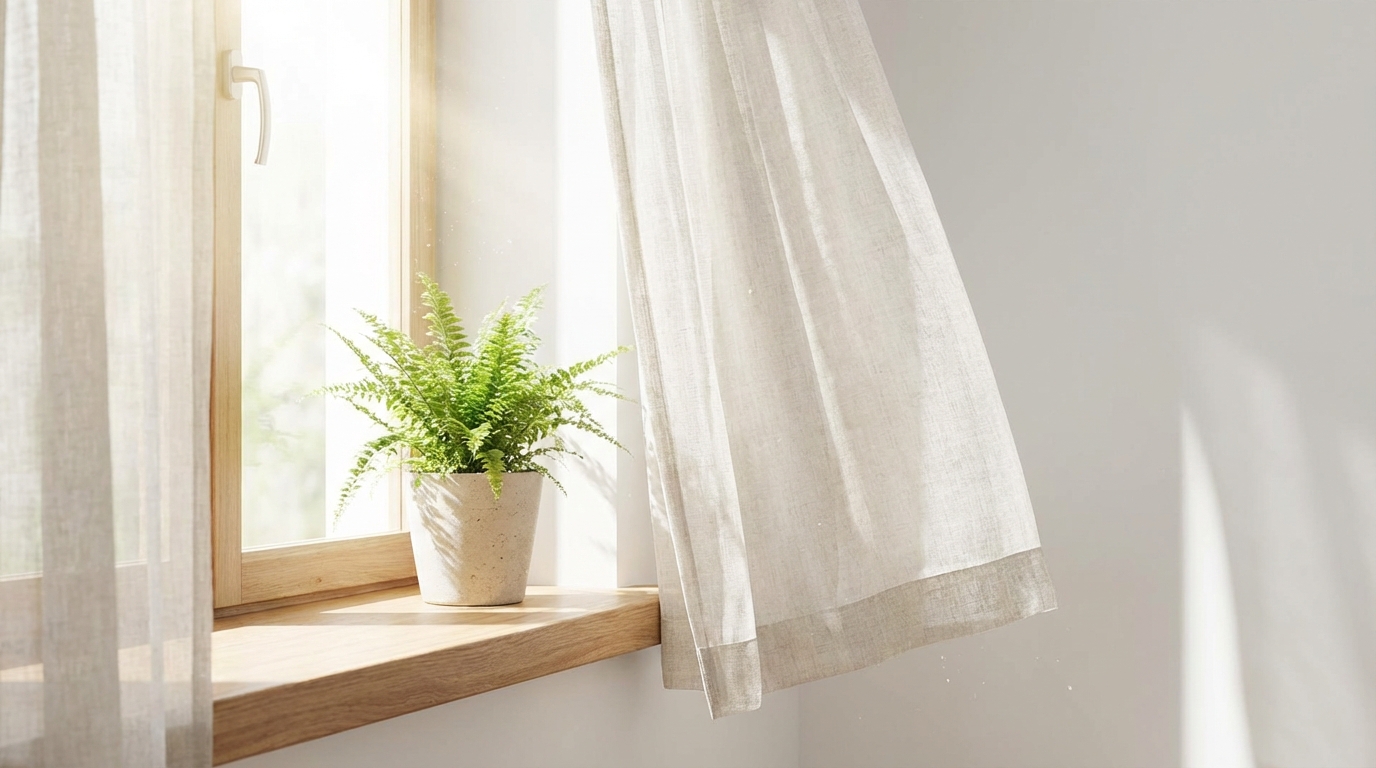
Indoor air sometimes feels heavy, stale, or hard to breathe, even when there is no obvious odor or visible problem. This sensation is common in homes, offices, and schools, especially in spaces that are tightly sealed or heavily used. People often describe the feeling as stuffy, thick, or lacking freshness, and it can affect comfort, focus, and overall well-being. Understanding why indoor air feels this way helps explain what is happening in the space and what steps may improve the situation.
What People Mean When They Say Air Feels Heavy
When someone says indoor air feels heavy, it usually refers to a mix of physical sensations rather than the actual weight of the air. The air may feel warm, humid, stale, or low in oxygen, even though oxygen levels are typically safe. These sensations come from how the body responds to temperature, moisture, and airborne substances.
Heavy-feeling air can also affect breathing patterns. People may notice shallow breathing, mild headaches, or a sense of fatigue after spending time indoors. These reactions are signals from the body that indoor conditions are not ideal, even if they are not dangerous.
Limited Ventilation and Air Exchange
One of the most common reasons indoor air feels heavy is limited ventilation. Ventilation is the process of bringing in fresh outdoor air and removing stale indoor air. When this exchange is weak or inconsistent, indoor air can feel trapped and unmoving.
Modern buildings are often designed to be energy-efficient, which means they are tightly sealed. While this reduces heating and cooling costs, it also reduces natural airflow. Without regular air exchange, heat, moisture, and airborne pollutants build up, creating a stale indoor environment.
How Air Gets Trapped Indoors
Air becomes trapped when windows remain closed and mechanical ventilation is minimal or poorly balanced. In many homes, fresh air only enters through small leaks or when doors are opened. Over time, this limited movement causes indoor air to feel dense and unrefreshed.
Rooms that are rarely used or have few vents often feel heavier than open living areas. Closets, basements, and interior rooms are common examples where air circulation is weak. These spaces highlight how important air movement is for comfort.
Carbon Dioxide Buildup
Carbon dioxide, or CO2, is a natural byproduct of breathing. In enclosed spaces with many people and limited ventilation, CO2 levels can rise noticeably. While these levels are usually not harmful, they can make air feel stale and uncomfortable.
Elevated CO2 can cause drowsiness, reduced concentration, and a sense of stuffiness. This is why classrooms, conference rooms, and bedrooms with closed doors often feel heavy after several hours. The air has not been refreshed enough to dilute the buildup.
Why CO2 Affects Comfort
The human body is sensitive to changes in air composition, even small ones. As CO2 increases, the body may respond by breathing slightly faster or deeper. This response can be perceived as poor air quality, even when other pollutants are low.
Spaces with poor airflow allow CO2 to accumulate faster. Simple actions like opening a window or increasing ventilation can quickly reduce this effect and make the air feel lighter.
High Humidity and Moisture Levels
Humidity plays a major role in how indoor air feels. When moisture levels are high, air can feel thick, sticky, and oppressive. This sensation is especially common in warm climates or during summer months.
High humidity slows the body’s ability to cool itself through sweat evaporation. As a result, people may feel warmer and more uncomfortable than the actual temperature suggests. Even moderate warmth can feel overwhelming when humidity is elevated.
Sources of Indoor Moisture
Moisture enters indoor air from many everyday activities. Cooking, showering, washing clothes, and even breathing add water vapor to the air. Without proper ventilation, this moisture stays inside.
Basements, bathrooms, and kitchens are especially prone to humidity problems. Leaks, damp materials, or poor exhaust fans can make these areas feel heavy and musty over time.
Temperature and Heat Buildup
Warm air often feels heavier than cool air, even though it is technically lighter. When indoor temperatures rise without enough airflow, heat becomes trapped. This trapped warmth can make a room feel suffocating.
Heat buildup is common in upper floors, rooms with large windows, or spaces filled with electronic devices. Computers, appliances, and lighting all generate heat that adds to the sensation of heavy air.
Temperature Layers and Stagnation
Indoor air does not always mix evenly. Warm air can collect near the ceiling while cooler air stays lower, creating temperature layers. This stratification reduces overall air movement.
When air remains still, it feels stagnant. Ceiling fans or properly balanced HVAC systems help mix air layers and reduce the feeling of heaviness.
Dust, Particles, and Indoor Pollutants
Indoor air contains a variety of particles that are not always visible. Dust, pet dander, pollen, and fibers float in the air and settle on surfaces. When these particles accumulate, they can affect how air feels when breathed in.
Heavy-feeling air is sometimes linked to irritation in the nose or throat. This irritation can come from particles that trigger mild allergic reactions or discomfort, even in people without known allergies.
Common Indoor Pollutants
In addition to dust, indoor air may contain smoke residues, cleaning product fumes, and tiny particles from cooking. These substances can linger long after their source is gone. Poor ventilation allows them to build up over time.
Older buildings may also release particles from aging materials. Worn carpets, deteriorating insulation, or old furniture can all contribute to indoor air that feels stale and heavy.
Chemical Odors and Volatile Organic Compounds
Volatile organic compounds, often called VOCs, are gases released from certain materials and products. Paints, adhesives, furniture, and cleaning supplies commonly emit these compounds. Even at low levels, they can affect air quality.
VOCs often contribute to a sense of heaviness because they irritate the senses. The air may feel dense or unpleasant, even if the smell is mild. This effect is stronger in enclosed spaces with little fresh air.
New Materials and Renovations
Newly built or renovated spaces are especially prone to VOC-related heaviness. Fresh paint, new flooring, and new furniture release higher levels of gases when they are first installed. This process, known as off-gassing, can last weeks or months.
Proper ventilation during and after renovations helps reduce this effect. Over time, emissions decrease, and the air gradually feels lighter and more neutral.
Biological Factors and Human Activity
People themselves influence indoor air quality. Breathing, sweating, and everyday movement release heat, moisture, and biological particles into the air. In busy spaces, these factors add up quickly.
Indoor air can feel heavy in rooms with high occupancy, such as living rooms during gatherings or offices during meetings. The combined effects of body heat, CO2, and moisture change the indoor environment.
Pets and Indoor Air
Pets also contribute to indoor air conditions. Fur, dander, and odors add to the mix of airborne particles. In poorly ventilated homes, these elements can linger and affect comfort.
Regular cleaning and airflow help manage these contributions. Without them, pet-related particles can make air feel stale and thick.
Seasonal and Weather Influences
Outdoor weather strongly affects indoor air. During cold seasons, windows are often kept closed, limiting fresh air intake. Heating systems dry the air in some cases, while trapping pollutants in others.
In hot or humid seasons, air conditioning may recirculate indoor air rather than bringing in fresh air. This can reduce humidity but also limit air exchange, leading to a heavy feeling indoors.
Pressure Changes and Outdoor Air Quality
Changes in outdoor air pressure can influence how air moves in and out of buildings. On calm days with little wind, natural ventilation is reduced. This can make indoor spaces feel stagnant.
Outdoor pollution events, such as wildfire smoke or high pollen days, may also limit window opening. As a result, indoor air may feel trapped despite efforts to stay comfortable.
What Can Help Reduce the Feeling of Heavy Air
Improving indoor air comfort often involves addressing several factors at once. No single solution works for every space, but small changes can make a noticeable difference. The goal is to increase freshness, balance moisture, and reduce pollutants.
The following approaches are commonly used to improve how indoor air feels. Each method targets a different cause of heaviness and works best when combined with others.
Several practical actions can help improve indoor air conditions:
- Increasing ventilation by opening windows or using exhaust fans.
- Using air filters or air purifiers to remove particles.
- Controlling humidity with dehumidifiers or proper exhaust systems.
- Maintaining heating and cooling systems regularly.
- Reducing sources of indoor pollutants when possible.
These steps work together to refresh indoor air. For example, ventilation removes stale air, while filtration cleans the air that remains. Humidity control improves comfort and reduces the heavy, sticky feeling.
The Role of Airflow and Circulation
Airflow is about more than just bringing in fresh air. It also involves moving air within a space so it does not become stagnant. Fans, open doors, and well-placed vents help distribute air evenly.
Even simple changes, like rearranging furniture away from vents, can improve circulation. When air moves freely, temperature and moisture levels become more balanced.
Balancing Comfort and Energy Use
Some people worry that increasing ventilation will raise energy costs. While this can happen, modern systems and smart habits help balance comfort and efficiency. Short periods of ventilation can refresh air without major energy loss.
Energy recovery ventilators and similar systems are designed to exchange air efficiently. These solutions show that fresh-feeling indoor air does not always require sacrificing energy savings.
Maintenance and Long-Term Indoor Air Quality
Long-term indoor air comfort depends on regular maintenance. Filters that are clogged or old cannot clean air effectively. Ducts that are dirty or blocked reduce airflow and circulation.
Routine care helps prevent gradual declines in air quality that often go unnoticed. Over time, neglected systems contribute to the heavy feeling people associate with stale indoor air.
Everyday Habits That Matter
Daily habits influence indoor air more than many realize. Simple actions like using exhaust fans while cooking or showering reduce moisture buildup. Storing chemicals properly limits ongoing emissions.
Consistent cleaning also reduces dust and particles. These habits, combined with proper ventilation, create an indoor environment that feels lighter and more comfortable throughout the day.