
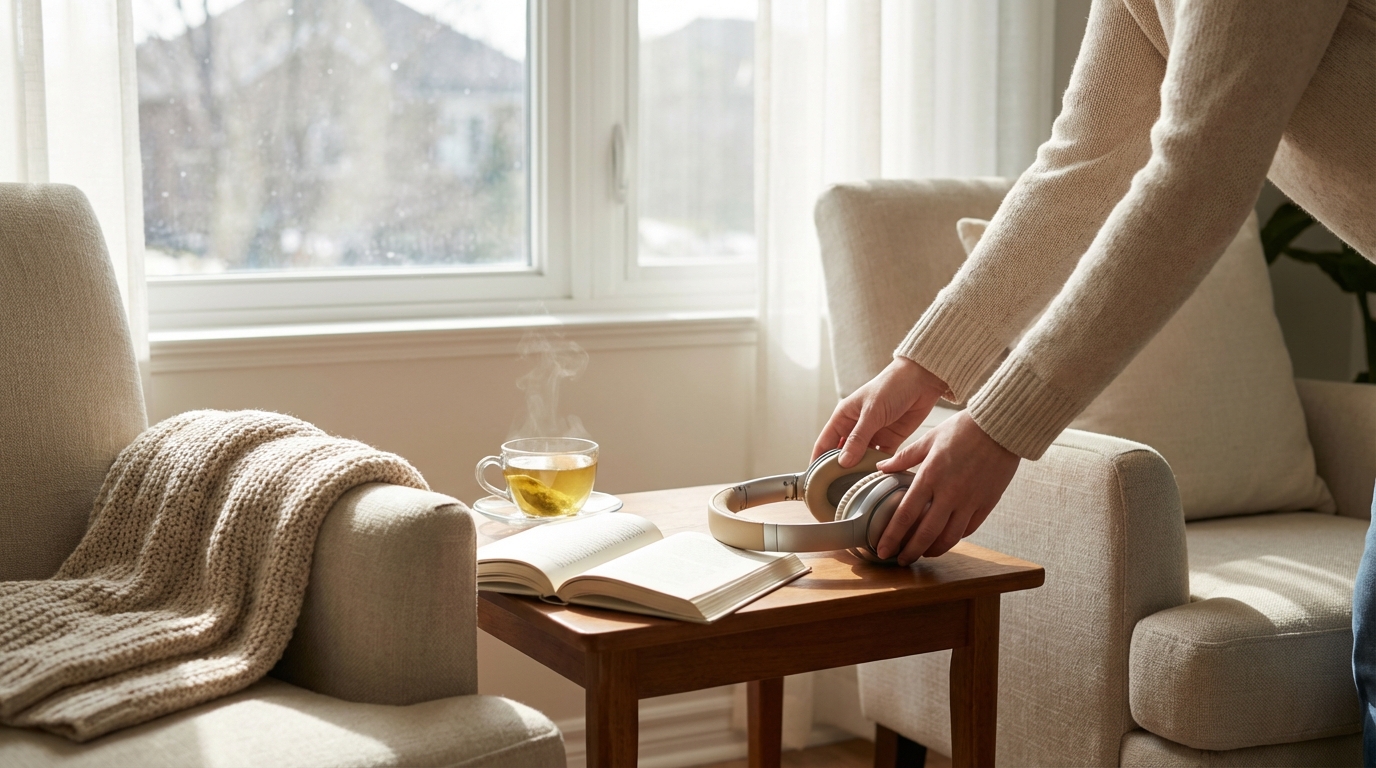
Indoor spaces are often expected to feel calm and safe, yet many people find it difficult to relax once they are inside. A major reason is noise that travels through walls, floors, and ceilings or comes from everyday activities and devices. Even when sounds are not loud enough to be called disruptive, they can still interfere with the body’s natural ability to rest. Understanding why indoor noise affects relaxation requires looking at how sound works, how the brain reacts to it, and how modern indoor environments shape what people hear.
Unlike outdoor noise, which is often expected and temporary, indoor noise is usually closer, more constant, and harder to escape. The brain treats these sounds differently because they occur in spaces meant for rest, focus, or recovery. When expectations of quiet are not met, stress responses can increase without people realizing why. This mismatch between expectation and reality plays a key role in why relaxing indoors can feel so challenging.
Understanding Indoor Noise
Indoor noise includes any unwanted or distracting sound that occurs within enclosed spaces. It can come from appliances, voices, footsteps, plumbing, heating systems, or even electronic notifications. Because walls and ceilings reflect sound, indoor noise often lingers longer than outdoor noise, creating a sense of constant presence. This persistence makes it harder for the brain to ignore or filter out.
Another important factor is predictability. Sounds that occur indoors are often irregular, such as doors closing or devices turning on and off. The brain stays alert when it cannot predict when the next sound will happen. This constant low-level alertness interferes with the body’s ability to shift into a relaxed state.
How the Brain Processes Sound Indoors
The human brain is designed to notice sound quickly because sound can signal danger. Indoors, this system does not turn off simply because the environment is familiar. Instead, the brain continues to monitor noise, especially when sounds are close or unclear. This ongoing monitoring uses mental energy that would otherwise support rest.
Indoor sound also competes with thoughts and emotions. Even when a person is not consciously paying attention to noise, the brain still processes it in the background. This background processing increases mental load and can make calm feelings harder to reach. Over time, this can lead to irritability or mental fatigue.
Constant Versus Intermittent Sounds
Constant sounds, such as a humming fan or distant traffic heard through walls, can blend into the background over time. However, they still place a steady demand on the nervous system. The brain must work to tune them out, which is not the same as true silence. This effort can subtly increase tension even when the sound seems easy to ignore.
Intermittent sounds, like footsteps above or notifications from a device, are often more disruptive. Because they stop and start, the brain treats each occurrence as new information. This repeated interruption prevents deeper relaxation and can trigger brief stress responses again and again. The result is a feeling of restlessness rather than calm.
Low-Frequency and Vibrational Noise
Low-frequency sounds, such as bass from music or vibrations from machinery, are especially challenging indoors. These sounds travel through solid materials and can be felt as much as heard. The body senses these vibrations through the skin and internal organs, which can increase discomfort. Even when volume levels are low, the physical sensation can make relaxation difficult.
Because low-frequency noise is harder to block with walls or earplugs, it often feels unavoidable. The lack of control over this type of sound can increase frustration. When the brain senses that a stressor cannot be escaped, it may maintain a heightened state of alertness. This response directly interferes with restful feelings.
Stress Response and Hormones
Noise activates the body’s stress response by stimulating the release of hormones such as cortisol and adrenaline. These hormones prepare the body for action rather than rest. Indoors, repeated exposure to noise can keep these hormone levels slightly elevated throughout the day. Even small increases can affect mood and physical comfort.
When stress hormones remain active, muscles may stay tense and breathing may become shallow. These physical changes make it harder to feel at ease while sitting or lying down. Over time, the body may begin to associate indoor environments with mild stress instead of safety. This association can develop without conscious awareness.
Sleep and Rest Disruption
Relaxation is closely tied to the ability to rest, including both sleep and quiet wakeful periods. Indoor noise often disrupts these states by preventing the nervous system from fully powering down. Even sounds that do not wake a person can reduce the depth of rest. The body may appear still while the brain remains active.
Repeated interruptions during rest can lead to cumulative fatigue. When rest is shallow or fragmented, the body does not fully recover from daily stress. This creates a cycle in which people feel tired yet unable to relax. Indoor noise becomes a constant background factor in this cycle.
Daytime Rest and Recovery
Daytime relaxation, such as reading or sitting quietly, depends on a sense of calm. Indoor noise can interfere by pulling attention away from the activity meant to restore energy. The brain shifts back into monitoring mode, reducing the restorative value of the break. Even short periods of noise can undo moments of calm.
This disruption is especially noticeable in shared living or working spaces. Sounds from others can create a feeling of intrusion, even when they are normal activities. The lack of personal control over the sound environment can increase mental strain. As a result, daytime rest may feel incomplete.
Nighttime Sleep Quality
During sleep, the brain continues to process sound at a basic level. Sudden or unfamiliar noises can trigger micro-awakenings that last only seconds. These brief awakenings often go unnoticed but still reduce sleep quality. Over time, this can affect mood, focus, and stress tolerance.
Indoor noise at night is often closer than outdoor noise, making it more impactful. Sounds from neighboring rooms or buildings can feel especially intrusive during quiet hours. The expectation of silence at night makes any noise seem louder. This contrast increases the likelihood of sleep disturbance.
Cognitive Load and Attention
Relaxation requires mental space, but indoor noise fills that space with unwanted information. The brain must decide whether each sound is important, which adds to cognitive load. This process happens automatically and cannot be fully turned off. As a result, mental energy is spent even during attempts to rest.
High cognitive load reduces the ability to enjoy quiet activities. Reading, thinking, or daydreaming become more difficult when attention is repeatedly pulled away. The mind may jump from thought to thought without settling. This restless mental state works against relaxation.
Emotional Effects of Indoor Noise
Noise does not only affect the body and mind; it also influences emotions. Persistent indoor noise can lead to irritability, impatience, or a low-level sense of unease. These emotions may not be directly linked to the sound in a person’s awareness. Instead, they emerge as general discomfort.
Emotional responses are shaped by personal sensitivity and past experiences. Some people are more sensitive to sound and react more strongly to indoor noise. When emotional reactions occur repeatedly, they can affect relationships and overall satisfaction with a space. This makes relaxation feel emotionally out of reach.
Common Indoor Noise Sources
Indoor noise comes from many everyday sources that are often overlooked. These sounds blend into daily life and are rarely considered harmful on their own. However, their combined effect can be significant. Understanding common sources helps explain why quiet is hard to achieve indoors.
- Household appliances such as refrigerators, washing machines, and heating systems
- Electronic devices including phones, computers, and televisions
- Voices, footsteps, and movement from other people in the space
- Plumbing sounds like water flow, pipes expanding, or toilets flushing
- Noise traveling through walls from neighboring units or rooms
Each of these sources may seem minor, but together they create a layered sound environment. The brain must sort through these layers constantly. This ongoing effort reduces the sense of calm that supports relaxation. The more sources present, the harder it becomes to feel truly at ease.
Building Design and Materials
The way buildings are designed plays a major role in indoor noise levels. Modern construction often favors open spaces and hard surfaces. While these features look appealing, they can reflect and amplify sound. The result is a louder and more echo-filled environment.
Older buildings may have thinner walls or shared structural elements that transmit sound easily. Noise can travel in unexpected ways through vents, floors, and ceilings. This makes it difficult to predict or control what will be heard. Uncertainty adds to the mental strain caused by noise.
Hard Surfaces and Sound Reflection
Hard surfaces like tile, glass, and bare walls reflect sound rather than absorbing it. Reflected sound increases overall noise levels and makes sounds last longer. This can create a sense of constant activity even when little is happening. The lack of sound absorption reduces acoustic comfort.
Rooms with many hard surfaces often feel louder than they measure. The brain responds to this perceived loudness with increased alertness. This response makes it harder to settle into a relaxed state. Soft furnishings can change this effect, but many spaces lack them.
Open-Plan Layouts
Open-plan layouts remove physical barriers that block sound. While they encourage connection and light, they also allow noise to travel freely. Sounds from one activity can easily reach other areas meant for rest. This overlap reduces the ability to separate active and calm spaces.
Without clear boundaries, the brain struggles to assign meaning to sound. Noise from different sources blends together, increasing mental effort. The feeling of constant exposure can be tiring. Relaxation becomes harder when there is no clear quiet zone.
Behavioral and Social Factors
Human behavior contributes significantly to indoor noise. Daily routines, communication habits, and technology use all add to the sound environment. Because these behaviors are normal and necessary, they are rarely questioned. However, their impact on relaxation is real.
Social expectations also play a role. In shared spaces, people may hesitate to ask for quiet or adjust their behavior. This can lead to ongoing exposure to unwanted noise. The resulting tension can further interfere with the ability to relax.
Measuring and Perceiving Noise
Noise is often measured in decibels, but perception matters more than numbers. A sound that is technically quiet can still feel disturbing depending on timing and context. Indoors, where expectations of calm are high, perception becomes especially important. The brain’s interpretation shapes the stress response.
Perceived control over noise strongly influences relaxation. When people feel they can reduce or escape a sound, it feels less stressful. Indoors, control is often limited, especially in shared buildings. This lack of control increases the impact of even moderate noise levels.
Individual differences also affect perception. Sensitivity to sound varies widely, influenced by genetics, health, and past experiences. What feels tolerable to one person may feel overwhelming to another. These differences help explain why indoor noise affects relaxation unevenly across people.