
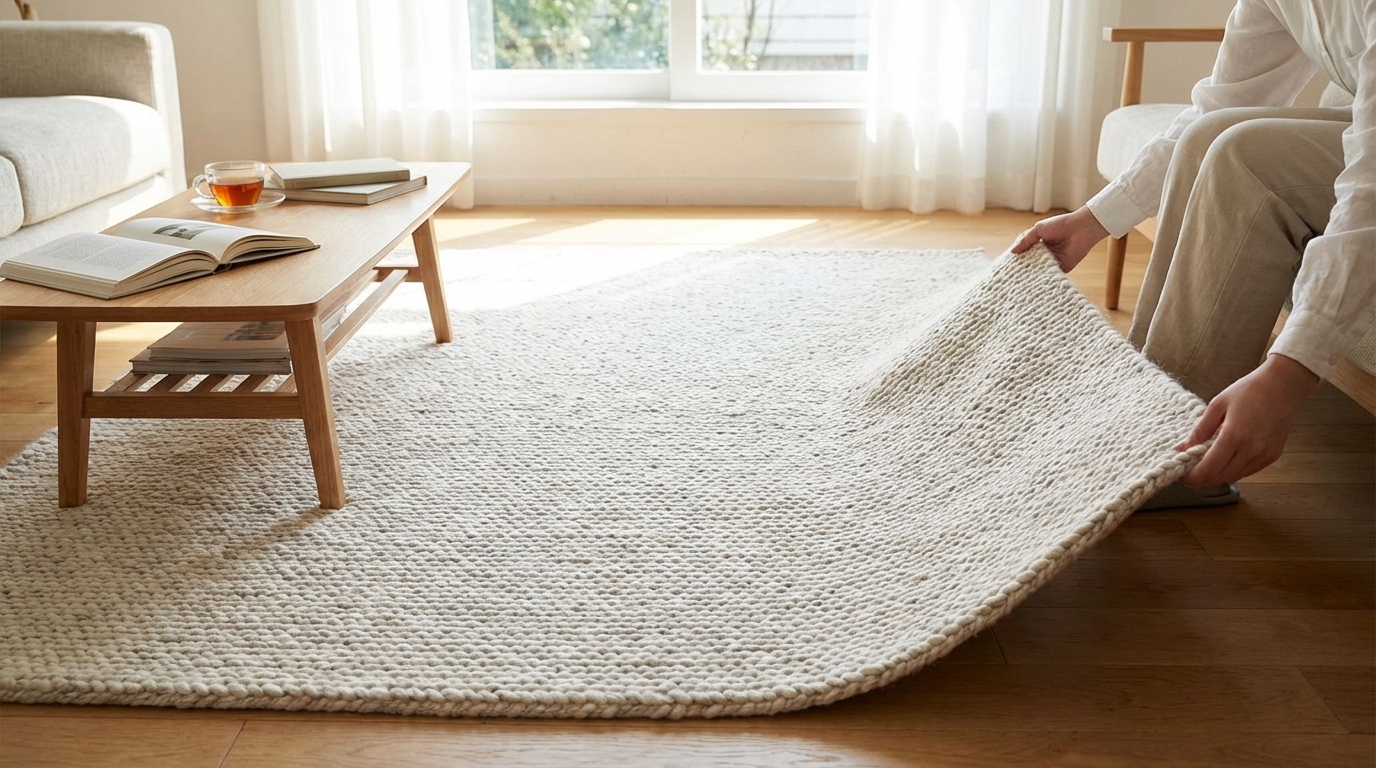
Noise inside buildings shapes comfort, focus, and overall well-being. Many indoor spaces sound louder than expected because hard surfaces reflect sound and allow it to travel freely. Rugs change that experience by adding soft material that interacts with sound waves in specific ways. Understanding why rugs affect noise levels helps explain how simple design choices can make rooms calmer and more pleasant.
Basic Principles of Sound Indoors
Sound moves through the air as vibrations that bounce off surfaces until they lose energy. In enclosed rooms, these reflections can stack up and create echoes, ringing, or a general sense of loudness. The way a room sounds depends less on its size alone and more on what materials cover the walls, floors, and ceilings. Hard, flat surfaces tend to make sound stronger and longer-lasting.
Soft surfaces behave differently because they interrupt the movement of sound waves. Instead of reflecting energy back into the room, they absorb part of it and convert it into small amounts of heat. This change reduces how far sound travels and how long it lingers. Rugs play an important role because floors often make up a large, continuous surface area.
Sound Reflection Versus Sound Absorption
Reflection happens when sound waves hit a surface and bounce back with little loss of energy. Materials like tile, hardwood, concrete, and glass are strong reflectors. Absorption happens when sound enters a material and loses energy as it moves through fibers or pores. Rugs, carpets, and upholstered furniture are common absorbers in indoor spaces.
The balance between reflection and absorption shapes the sound quality of a room. Too much reflection creates echo and harshness, while too much absorption can make a room feel dull or flat. Rugs help shift this balance toward comfort without removing all liveliness from the sound. Their effect is especially noticeable in rooms with many hard surfaces.
Different Sound Frequencies and Surfaces
Sound is made up of low, mid, and high frequencies, each behaving differently. High-frequency sounds, like footsteps or clinking objects, are easier to absorb because they have shorter wavelengths. Low-frequency sounds, such as bass from music or traffic rumble, have longer wavelengths and are harder to control. Rugs mainly reduce mid to high frequencies.
This frequency focus explains why rugs often make rooms feel quieter even if deep sounds remain. By cutting sharp reflections, rugs reduce the sounds most likely to cause irritation or distraction. The result is a smoother sound environment that feels calmer to the ear.
How Rugs Interact With Sound Waves
Rugs work as sound absorbers by slowing down and scattering sound waves. When sound enters the fibers, it rubs against them and loses energy. The thicker and denser the rug, the more opportunities there are for this energy loss. This process lowers the volume of reflected sound in the room.
Unlike wall panels or ceiling treatments, rugs sit directly under common noise sources like footsteps and moving furniture. This placement allows them to absorb sound at the point of impact. As a result, both the sound heard within the room and the sound transmitted to spaces below can be reduced.
The Role of Fiber Materials
Fibers are the main working part of a rug when it comes to sound control. Natural fibers like wool tend to be crimped and springy, which creates tiny air pockets. These pockets help trap sound and increase absorption. Synthetic fibers can also absorb sound, depending on their shape and density.
The way fibers are twisted and packed together matters as much as the material itself. Loosely packed fibers allow sound to travel deeper into the rug. This deeper travel leads to greater energy loss and better noise reduction.
Pile Height and Density
Pile height refers to how tall the fibers stand above the backing of a rug. Taller piles usually absorb more sound because they offer more material for sound waves to move through. Density describes how closely the fibers are packed together. A dense rug with a medium pile can sometimes outperform a very tall but loosely packed rug.
The combination of height and density determines how effective a rug will be. Thick, plush rugs are often chosen for bedrooms and living rooms because they soften both sound and feel. Thinner rugs may still help with noise but to a lesser degree.
The Importance of the Backing
The backing of a rug supports the fibers and affects how sound energy is handled. Some backings are rigid and reflect sound back into the fibers, increasing absorption. Others are softer and work together with rug pads to absorb even more sound. The interaction between rug and floor also plays a role.
A rug placed directly on a hard floor behaves differently than one placed over padding. The backing can either limit or enhance the rug’s ability to reduce noise. This detail is often overlooked but can make a noticeable difference.
Placement and Coverage Within a Room
Where a rug is placed influences how much noise reduction it provides. Areas with frequent foot traffic benefit the most because many sounds originate there. Covering a large portion of the floor reduces the total reflective surface. Even partial coverage can change how sound moves through a space.
Room layout also matters. Open rooms with bare floors allow sound to travel freely from one end to the other. Strategically placed rugs can break up this path and shorten sound travel distances.
Room Size and Shape
Large rooms tend to echo more because sound has more space to bounce around. Rugs help by adding absorption to a wide area, especially in rooms with high ceilings. Long, narrow rooms can funnel sound, making footsteps and voices carry farther. Rugs placed along these paths help interrupt that effect.
Small rooms benefit as well, though the change may feel more subtle. In compact spaces, even a single rug can noticeably soften sound. The key is matching rug size to room dimensions.
Partial Versus Full Coverage
Full wall-to-wall carpeting provides the highest level of floor-based sound absorption. Area rugs offer a flexible option that still improves acoustics. Placing rugs under seating areas, beds, or desks targets key noise zones. This approach balances sound control with design freedom.
Partial coverage works best when combined with other soft surfaces. A rug paired with curtains or upholstered furniture can have a larger effect than a rug alone. This layered approach spreads absorption throughout the room.
Common Rug Types and Their Acoustic Impact
Not all rugs affect sound in the same way. Material choice, construction method, and intended use all influence performance. Understanding the basic categories helps in selecting a rug for noise control. Each type offers different strengths and limitations.
The following list outlines several common rug types and their typical acoustic behavior. These general traits provide a starting point rather than strict rules. Actual performance can vary by manufacturer and design.
- Wool rugs are dense and resilient, offering strong sound absorption and long-term durability.
- Synthetic rugs vary widely but can be effective when made with thick piles and tight construction.
- Natural fiber rugs like jute or sisal are firmer and provide moderate absorption.
- Shag rugs have very long piles that absorb high-frequency sound well.
Each type suits different spaces and lifestyles. Wool rugs are often chosen for comfort and performance, while natural fiber rugs appeal to those seeking a firmer feel. Shag rugs excel at softening sharp sounds but may require more maintenance. Matching rug type to room use leads to better results.
Wool and Blended Rugs
Wool fibers naturally trap air, making them effective sound absorbers. They also spring back after compression, maintaining performance over time. Blended rugs that mix wool with synthetics can balance cost and acoustic benefit. These rugs often work well in living spaces and bedrooms.
The durability of wool helps maintain consistent sound control. As fibers wear, they still retain much of their structure. This long-term stability adds to their appeal in high-use areas.
Synthetic and Flat-Weave Rugs
Synthetic rugs made from materials like nylon or polyester can vary greatly. Thick, plush versions absorb sound well, while flat-weave styles absorb less. Flat-weave rugs are easier to clean and often chosen for dining areas. Their acoustic benefit is usually modest but still present.
The construction method matters more than the fiber name alone. A tightly woven flat rug has fewer spaces for sound to enter. Pairing these rugs with pads can improve their performance.
The Role of Rug Pads and Underlays
Rug pads sit between the rug and the floor, adding another layer of sound control. They increase the overall thickness and softness of the floor system. This added layer helps absorb impact noise like footsteps. Pads also reduce slipping and extend rug life.
Different pad materials offer different acoustic benefits. Some focus on cushioning, while others emphasize density. Choosing the right pad enhances the rug’s natural sound-dampening ability.
Common Pad Materials
Felt pads are dense and effective at absorbing sound. Rubber pads grip the floor and reduce movement but may reflect some sound. Combination pads blend felt and rubber to balance grip and absorption. The choice depends on floor type and desired performance.
Thicker pads generally provide better noise reduction. However, too much softness can affect stability. A balanced pad supports both comfort and acoustic control.
Rugs in Different Living Environments
The impact of rugs on noise levels changes depending on building type. Apartments, houses, and offices each have unique sound challenges. Floors often serve as pathways for noise between spaces. Rugs help manage these challenges by reducing both airborne and impact sound.
Local building materials also play a role. Concrete floors transmit sound differently than wood-framed floors. Rugs adapt well to both situations, offering flexible sound control.
Apartments and Multi-Level Homes
In apartments, footstep noise is a common concern. Rugs help reduce impact noise that travels to neighbors below. Many buildings encourage or require a percentage of floor coverage with rugs. This policy reflects their proven effect on noise control.
In multi-level homes, rugs soften sound between floors. They reduce the sharpness of footsteps and dropped objects. This benefit improves comfort for everyone in the home.
Workspaces and Shared Areas
Offices often struggle with echo and distraction. Rugs absorb sound from movement and conversation. In open-plan spaces, area rugs help define zones while lowering noise. This dual function supports both productivity and design.
Shared indoor areas like libraries or lounges also benefit. Rugs help create a quieter atmosphere without the need for permanent construction. Their flexibility makes them easy to adjust as needs change.
Maintenance and Long-Term Performance
Regular care keeps rugs effective at controlling noise. Dust and debris can fill air pockets in the fibers. This buildup reduces the rug’s ability to absorb sound. Cleaning restores some of this lost performance.
Wear patterns also affect sound control. High-traffic areas may compress fibers over time. Rotating rugs helps distribute wear and maintain consistent absorption.
Cleaning Methods and Acoustic Effects
Vacuuming removes surface debris that blocks sound absorption. Deep cleaning lifts compressed fibers and restores loft. However, excessive moisture can damage backing or pads. Proper methods preserve both appearance and function.
Allowing rugs to dry fully is important. Damp materials behave differently with sound and may trap odors. Dry, clean rugs perform best acoustically.
Common Misunderstandings About Rugs and Noise
Some beliefs about rugs and sound control oversimplify the issue. One common idea is that any rug will dramatically quiet a room. In reality, performance depends on many factors working together. Recognizing these nuances leads to better expectations.
Another misunderstanding involves thickness alone. While thickness helps, it is not the only factor. Fiber type, density, and placement all matter.
Thickness Is Not the Only Factor
A very thick rug with sparse fibers may absorb less sound than a denser rug with a medium pile. Sound needs material to interact with, not just height. Density provides more contact points for sound energy. This distinction explains why some thin rugs outperform thicker ones.
Backing and padding further influence results. A thoughtful combination often matters more than a single feature. Evaluating the whole system leads to better sound control.
Simple Ways to Notice Acoustic Changes
Measuring sound professionally requires special tools, but everyday observation also works. Changes in echo, clarity, and comfort are noticeable without equipment. Rugs often make voices sound less sharp and footsteps less loud. These changes indicate reduced reflection.
Listening at different times of day can highlight improvements. Quiet moments reveal echo reduction more clearly. Over time, the room may feel more relaxed and less tiring.
Informal Listening Tests
Clapping hands before and after adding a rug can reveal differences in echo. A shorter, duller sound suggests better absorption. Walking across the room also provides clues. Softer, quieter footsteps indicate reduced impact noise.
These simple checks help connect theory with real experience. They show how rugs affect everyday sound. This awareness supports informed design choices.
Combining Rugs With Other Soft Surfaces
Rugs work best as part of a broader sound-control approach. Curtains, cushions, and upholstered furniture all absorb sound. Together, these elements reduce overall reflection. This layered strategy creates balanced acoustics.
Relying on a single rug may not be enough in very reflective rooms. Combining multiple soft surfaces spreads absorption across the space. The result feels more even and natural.
Textiles and Furniture
Fabric sofas and chairs absorb mid-range sound. Curtains soften reflections from windows. Wall hangings add absorption at ear level. Rugs anchor this system at the floor.
The mix of surfaces addresses sound from multiple angles. This approach avoids overloading any one area. It also supports cohesive interior design.
Safety, Comfort, and Practical Benefits
Beyond sound control, rugs offer physical comfort and safety. They provide cushioning underfoot and reduce slipping. These features encourage more relaxed movement. Comfort and acoustics often improve together.
In colder climates, rugs add warmth by insulating floors. This thermal benefit pairs well with acoustic absorption. Both effects come from the same soft materials.
Stability and Slip Prevention
Rug pads help keep rugs in place. Stable rugs reduce sudden movements that can create noise. They also lower the risk of accidents. This practical benefit supports quieter living.
A secure rug maintains consistent contact with the floor. This contact improves sound absorption. Movement and bunching reduce effectiveness.
Environmental and Material Considerations
Environmental conditions influence how rugs perform acoustically. Humidity, temperature, and air quality all play roles. Natural fibers respond differently to these factors than synthetic ones. Awareness of these influences supports better care.
Sustainable materials also affect indoor comfort. Some natural fibers regulate moisture and reduce static. These qualities indirectly affect sound perception.
Humidity and Air Conditions
High humidity can soften fibers and increase absorption slightly. Very dry air may make fibers stiffer. These changes are usually subtle. Proper indoor conditions keep rugs performing consistently.
Ventilation helps maintain balanced air. Stable conditions protect both rug materials and sound quality. This stability benefits long-term comfort.
Budget and Value Considerations
Cost influences rug choice, but higher price does not always mean better sound control. Construction quality matters more than brand names. Well-made mid-range rugs can perform very well. Evaluating materials and density offers better value.
Rug pads are often affordable upgrades. Adding a pad to an existing rug can improve sound control significantly. This approach stretches budgets effectively.
Balancing Cost and Performance
Spending more on thickness and density often yields better results than spending on patterns alone. Durable materials maintain performance longer. This longevity adds value over time. Careful selection supports both budget and comfort.
Considering room needs prevents overspending. High-traffic areas may justify higher investment. Low-use rooms may not require the same level of performance.
Design Choices and Acoustic Tradeoffs
Interior design involves balancing appearance with function. Rugs contribute color, texture, and pattern. These visual choices also influence sound. Plush designs absorb more sound but may not suit every style.
Flat designs offer a clean look with modest acoustic benefits. Mixing styles across rooms allows tailored solutions. Design flexibility keeps sound control from feeling restrictive.
Aesthetics and Sound Together
Choosing rugs that fit both design and acoustic goals leads to cohesive spaces. Neutral colors often hide wear and maintain a calm feel. Bold patterns can distract from minor noise. Both approaches work when paired with suitable materials.
Design trends change, but sound comfort remains important. Selecting adaptable rugs supports long-term satisfaction. This balance keeps spaces functional and inviting.
Seasonal Changes and Sound Perception
Sound perception shifts with seasons. Closed windows in winter trap indoor noise. Rugs help manage this increase by absorbing reflections. In summer, open windows introduce outdoor sounds that rugs cannot block but can soften indoors.
Seasonal decor changes also affect acoustics. Adding or removing textiles alters absorption. Rugs provide a stable foundation year-round.
Winter and Summer Differences
Heavier rugs in winter add warmth and sound control. Lighter rugs in summer maintain some absorption while feeling cooler. Swapping rugs adjusts both comfort and acoustics. This flexibility supports changing needs.
Understanding these seasonal effects helps plan interiors. Rugs adapt easily compared to fixed treatments. Their role remains consistent even as conditions change.
Cultural and Historical Use of Rugs for Sound
Historically, rugs and tapestries were used to improve indoor comfort. Thick textiles lined floors and walls in many cultures. These practices reduced drafts and noise at the same time. Modern design continues this tradition in updated forms.
Traditional interiors often feel quieter because of abundant soft surfaces. Rugs played a central role in that effect. Their continued use reflects both practicality and heritage.
Traditional Interiors and Modern Spaces
In traditional homes, layered rugs created warmth and quiet. Modern spaces often favor minimalism, increasing noise. Adding rugs restores some balance without altering architecture. This connection bridges old practices and current needs.
Rugs remain a simple tool for shaping sound. Their effectiveness has been proven across time and cultures. This enduring role highlights why rugs affect noise levels in meaningful ways.